$1,000 SafeWork Small Business Rebate

DISCLAIMER

The SafeWork NSW Small Business Rebate is administered by SafeWork NSW. All applications are assessed by SafeWork NSW against the full program requirements at the time of application. Purchasing any product — including products that may currently appear on the eligible items list — does not guarantee rebate approval. The eligible items list is subject to change without notice.

Aimwell Breathing Pty Ltd is a supplier of respiratory protection equipment and is not affiliated with SafeWork NSW. We do not represent, warrant, or guarantee that any product purchase will result in a rebate being approved or paid. Applicants should confirm all eligibility requirements directly with SafeWork NSW prior to purchase.

To help ensure you receive accurate and consistent information, you can go to the SafeWork NSW Small Business Rebate webpage $1,000 SafeWork small business rebate | NSW Government or to the team directly safetyrebate@safework.nsw.gov.au for any questions about eligibility. You can assess the current list of eligible items can be found at SafeWork small business rebate eligible safety items | NSW Government.

Get $1,000 to Improve Workplace Safety: SafeWork Small Business Rebate & Powered Respirators

Workplace safety is a priority for any business, especially in high-risk industries where workers are exposed to hazardous air contaminants. If you are a small business owner in New South Wales, you may be eligible for the SafeWork NSW $1,000 Small Business Rebate, which can help cover the costs of safety improvements, including powered respirators.

What Is the SafeWork NSW Small Business Rebate?

The $1,000 SafeWork NSW Small Business Rebate is designed to support small businesses and sole traders in creating a safer work environment by subsidizing the cost of safety equipment. This initiative aims to prevent workplace injuries and illnesses by encouraging businesses to invest in high-quality protective gear.

Why Invest in a Powered Respirator?

A powered respirator generally provides better protection than a non-powered respirator, especially when you have facial hair, such as a beard.

How to Apply for the Rebate

If you’re considering purchasing a powered respirator for your workplace, follow these steps to apply for the SafeWork NSW $1,000 Small Business Rebate:

  1. Check Your Eligibility – You must be a small business owner or sole trader in NSW with a valid Australian Business Number (ABN).
  2. Complete a SafeWork NSW Safety Workshop – Participation in an eligible SafeWork NSW safety workshop or webinar is required.
  3. Purchase Eligible Safety Equipment – Invest in an approved powered respirator or other qualifying safety items.
  4. Submit Your Application – Provide proof of purchase and complete the application process online via the SafeWork NSW website.

Breathe Safer & Better with Aimwell

Protecting your employees from respiratory hazards is essential for their well-being and productivity. By utilizing the SafeWork NSW Small Business Rebate, you can invest in a high-quality powered respirator and ensure a safer workplace for your team.

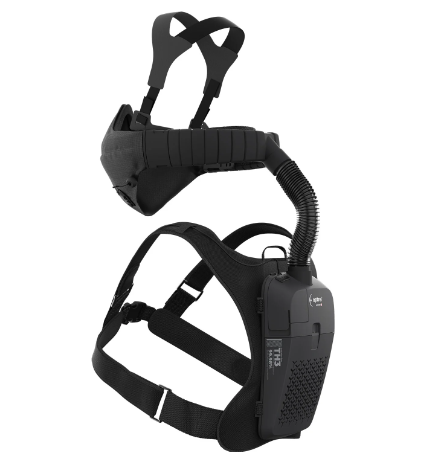
Aimwell® AYO™ WX series powered respirators are world-leading around-neck PAPRs. Complied with AS/NZS 1716: 2012 as PAPR P3, the highest protection class, AYO™ WX is designed for demanding breathing protection in dusty or toxic industrial settings while providing unprecedented mobility and exceptional value for money.
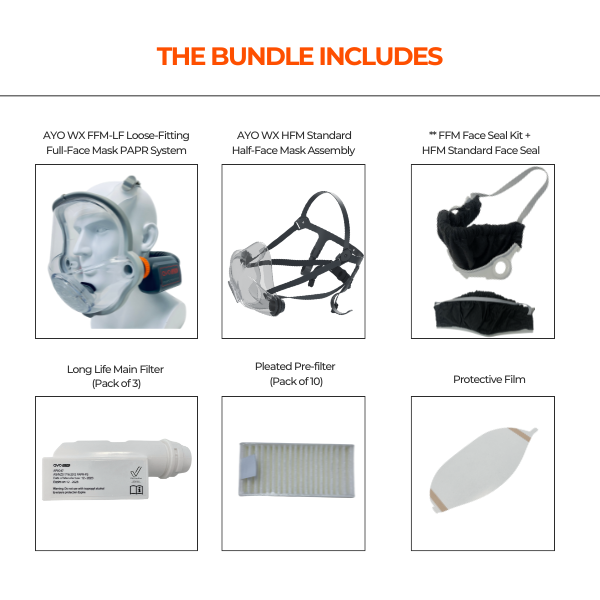
Maximize your NSW SafeWork small business rebate with this carefully curated AS/NZS 1716 compliant PAPR bundle that can provide you with the best protection most practically and flexibly.

The bundle includes:

  • 1 x AYO WX FFM-LF Loose-Fitting Full-Face Mask PAPR System.
  • 1 x AYO WX HFM Standard Half-Face Mask Assembly.
  • 1 x Long Life Main Filter (Pack of 3)
  • 1 x Pleated Pre-filter (Pack of 10)
  • 1 x Protective Film (Pack of 10)
  • Either 1 x FFM Face Seal Kit + HFM Standard Face Seal (1 piece) OR One extra Long Life Main Filter (Pack of 3)
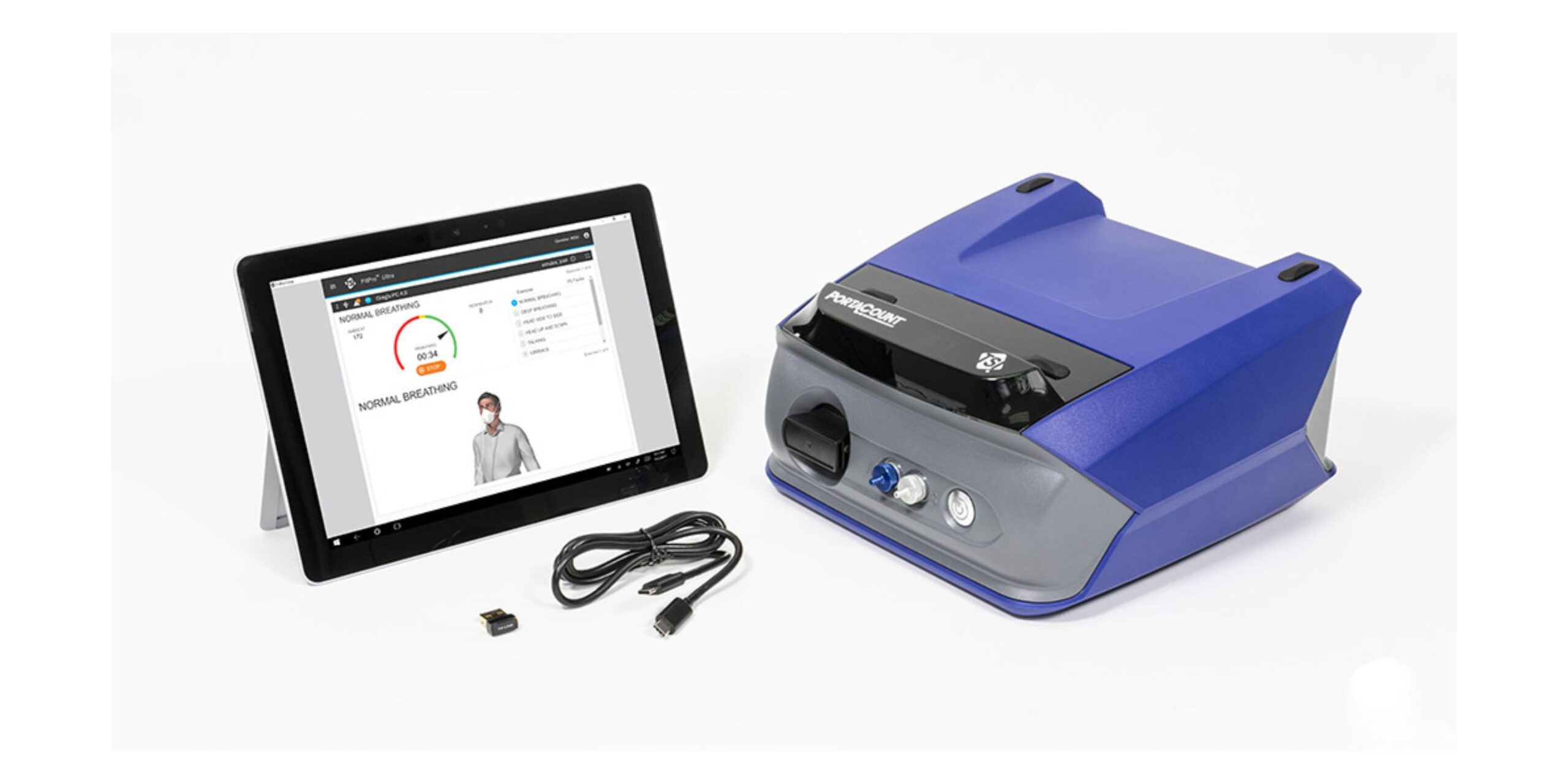
Is Fit Testing for Respirators a Flawed Practice?

Fit Testing is an industry practice to ensure that a respirator fits well to a wearer, aiming to achieve a good facial seal and protection.

Typically, a fit test is done in a controlled environment with scientific test equipment while performing a predefined test protocol, and it can effectively reveal how the respirator fits at the time of testing.

However, the real world of industrial work can be very different from and harsher than a short moment in a comfortable office, thinking about the following scenarios:

  • While doing tunnelling work, formwork in high-rise buildings, crawling under a roof, workers need to focus on the tough work itself or danger around them other than minding the fit of a respirator, which is prone to shift on the face in these works, compromising the fit.
  • Tasks associated with frequent moving around, high exertion, and sweating while using tools involving both hands can not ensure a good fit of the respirator once it shifts on the face.
  • For young male workers, even if they are clean-shaven in the morning, they may grow stubble enough to break a good seal, making a properly fit-tested respirator leak.
In the above scenarios, fit testing is ineffective and even flawed in ensuring a good fit and seal, even if it passed a fit test initially.

Having said that, fit testing has its unique place in controlling the effectiveness of respirators.

Compliance-wise, fit testing is a necessary industry practice, it ensures the respirator properly seals to the worker’s face under controlled conditions, verifying that the selected model and size provide adequate protection.

Fit Testing can also reveal respirator system leaks or Total Inward Leakage (TIL).

However, fit testing is primarily effective as a baseline for non-powered respirators. It also tends to be more effective in healthcare settings than in a harsh industrial environment, where in practice, workers’ activities in physical challenging conditions may reduce or even void its effectiveness.

We need solutions to balance regulatory requirements or intent with practical considerations.

Possible solutions:

  • Engineering controls (e.g., reducing airborne hazards).
  • Using respirators that are less prone to dislodging, like a full-face mask versus a half-mask.
  • Using a suitable PAPR which does not rely on a tight seal to work, such as a loose-fitting PAPR.

In most cases, a suitable PAPR is your best option to ensure good protection if you have been using non-powered respirators.

However, traditional PAPRs have the following practical issues:

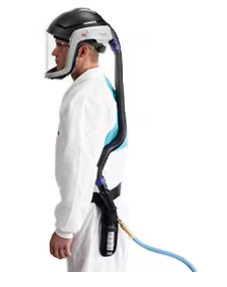
  • Poor wearability and mobility associated with long hose waist-mount type, top-heavy helmet-mount type, and front-heavy face-mount type.
  • Difficult to clean and maintain.
  • Prohibiting high costs.

The great news is that, Aimwell® AYO™ WX series around-neck PAPRs have dramatically improved all these problems.

The series comprises a selection of low-profile half-face and full-face mask assemblies and a selection of easily detachable powered units worn around the neck, available in both tight-fitting and loose-fitting configurations, no hose, no belt, no hassles.

Certified by CMI ProdCert, this award-winning PAPR series offers the highest-in-class protection (PAPR P3), breakthrough mobility and flexibility, ease of use and maintenance, with exceptional value for money.

Annual AIOH Conference & Exhibition – Perth Australia

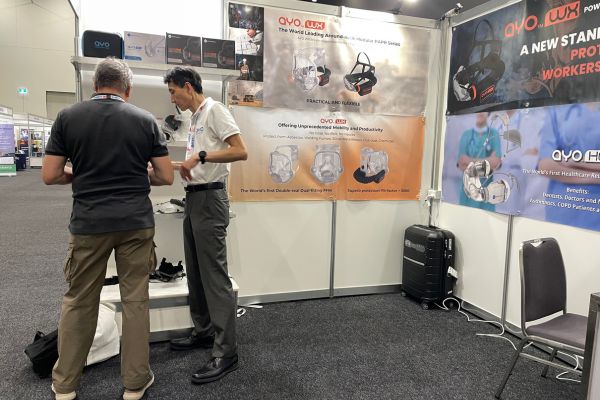
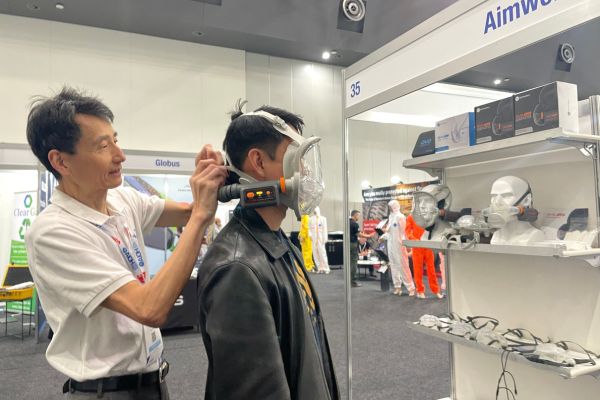
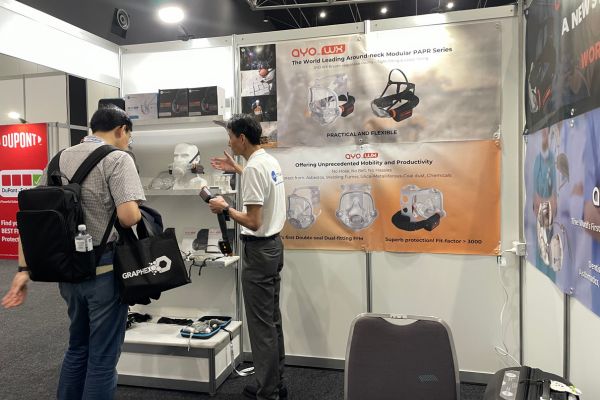
Aimwell at the AIOH Conference : Showcasing Innovation in Industrial Respiratory Protection

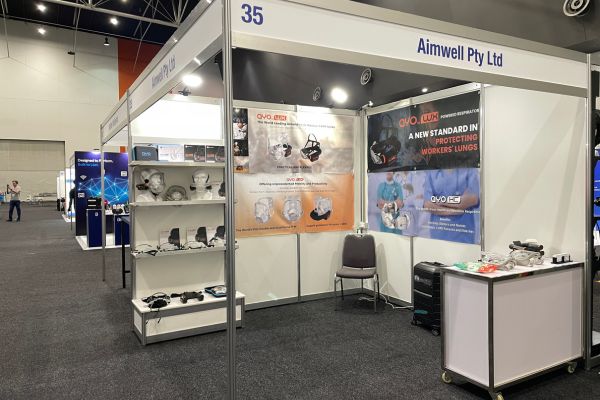
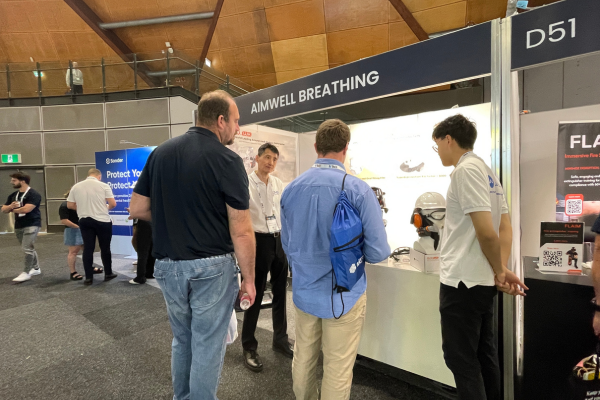
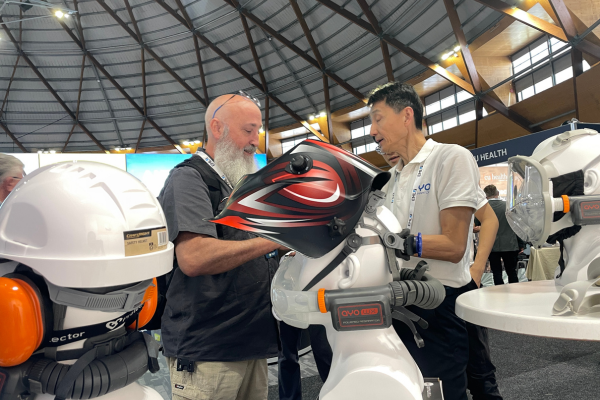
Aimwell exhibited during the Annual AIOH Conference in Perth Bringing together professionals and experts in the field of occupational hygiene, the tradeshow provided a vibrant platform for sharing innovations, fostering connections, and exploring solutions to workplace health challenges.

All our innovative industrial PAPR products are certified to the highest PAPR P3 class by CMI

We also updated our brochures, click the buttons below:

At Aimwell, our mission is to provide cutting-edge respiratory protection solutions that enhance workplace safety and comfort. During the exhibition, we showcased our latest line of industrial respirators, including our new Full-face mask powered systems, both in tight-fitting and loose-fitting. These respirators are designed to meet the demands of various industrial applications, including workers with beards.

AYO WX PAPR Series Common Features:

  • Patented Around-neck invention offers unprecedented mobility and flexibility.
  • Positive pressure ensured by world-leading Breath-responsive flow control technology with over 200 L/min peak flow.
  • Superb protection level – PAPR P3 with nominal protection factor > 2000
  • Superb fit factor with WX FFM_DS double-seal full-face mask and all WX half-face masks, typically over 2000 (Power-off mode with clean-shaven)
  • Innovative loose-fitting Add-ons for all masks, making AYO WX compatible with facial hairs without the need for fit testing.
  • Ample battery capacity with up to 16 hours of run time.
  • Battery replaceable.
  • Around-neck PAPR invention: no hose, no belt, not top-heavy, not face-heavy.
  • Low profile, lightweight, and great wearability – worn similar to a non-powered APR.
  • Compatible with most helmets, protective goggles, and earmuffs.
  • Very easy to operate, clean, and maintain.

To learn more about our AYO WX model and its unique features, visit our dedicated page at AYO WX Respirator.

Can Facepieces be Loose-fitting?

In the area of WHS on respiratory protection, there are two common issues:

1. Workers with facial hairs, such as beard, present an issue when selecting a proper respirator for respiratory protection, as tight-fitting PAPRs are not recommended, which limits the choice of selection.

2. Even if workers are clean-shaven, for many organizations, the annual fit-testing is a pain and burden, as it is time-consuming and costly, especially when the workforce is large or has a high turnover rate.

However, although loose-fitting PAPRs like 3M Versoflo are a good fit for some niche applications, it is by no means the most suitable solution for many other work conditions, such as:

  • Works that require frequent heavy physical exertions and movement, the headtop, hose and belt-mounted heavy Power unit are quite troublesome.
  • Works that need frequent donning and doffing, PAPRs with headtop+hose+belt-mounted Power units are pain and nonsense for productivity.
  • For very dusty works, such as stone cutting and grinding, bulky PAPRs like 3M Versaflo are difficult to clean daily.
  • Works that don’t need head protection, PAPRs that must work with a headtop are overkill or not convenient.
  • Work conditions that need higher protection that most loose-fitting PAPRs can’t provide.
  • PAPRs like 3M Versaflo are quite expensive and not an economical and value-for-money solution for many applications.

All the above shortcomings could be resolved by PAPRs with facepieces without helmets, hose, and belt-mounted Power units, provided the facepieces of either half-face or full-face can be both tight-fitting and loose-fitting, such that they don’t require a fit test when a lower level of protection can be accepted, but can provide higher protection when fit-tested. We compare the four PAPR layouts and what each one costs a worker on site in more detail elsewhere.

Here comes the question of this article: Can Facepieces be loose-fitting?

If we refer to AS/NZS 1715-2009, developed and maintained by Standards Australia and Standards New Zealand it defines both half facepiece and full facepiece as tight-fitting devices.

The Standard also demands a suitable fit test to be carried out for RPE with a tight-fitting facepiece.

Note that, the definition of a fit test requires testing the fit during the Power Off mode of a PAPR. Surely, with hairs present between the facepiece and the facial skin, the fit test will fail miserably.

Therefore, the Standard goes further by stating that no one who requires respiratory protection shall wear either a full facepiece or half facepiece RPE over a beard.

Aimwell as a designer and manufacturer of respirators disagrees with the Standard in this overly general, absolute, and out-of-date statement.

Here is our rationale:

  • Facepieces don’t have to be tight-fitting to provide good protection. Powered respirators normally rely on generating positive pressure in the facepieces to achieve protection. Even AS/NZS 1715:2009 acknowledges that positive pressure RPE may diminish the effect of poor facial fit.
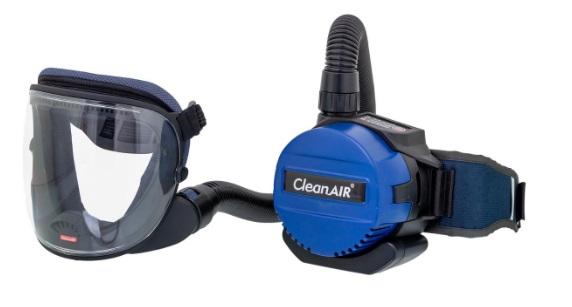
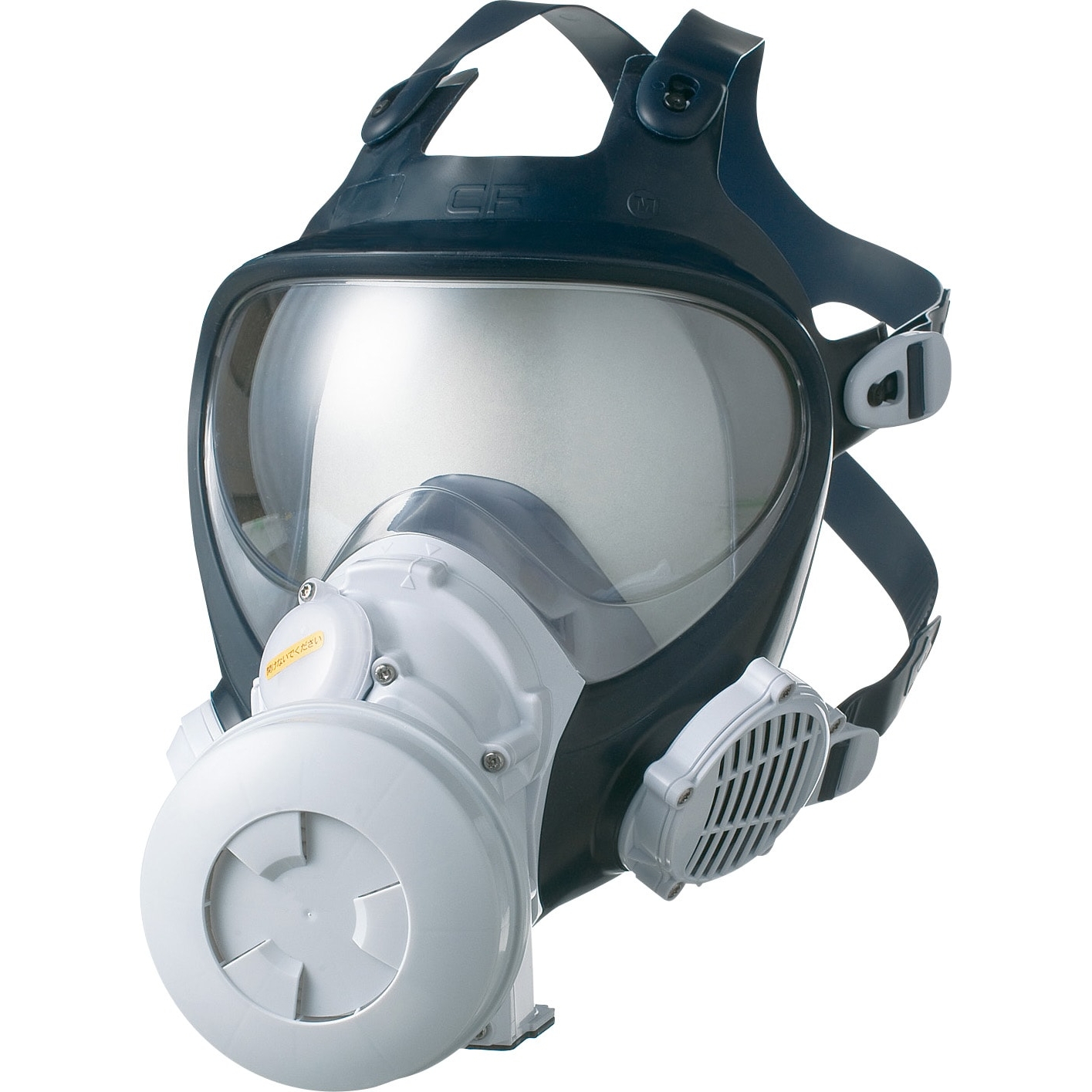
  • Recent products from Europe show both half facepieces and facepieces loose-fitting PAPRs. For example, Optrel Swiss Air System and CleanAIR Unimask for Basic PAPR.

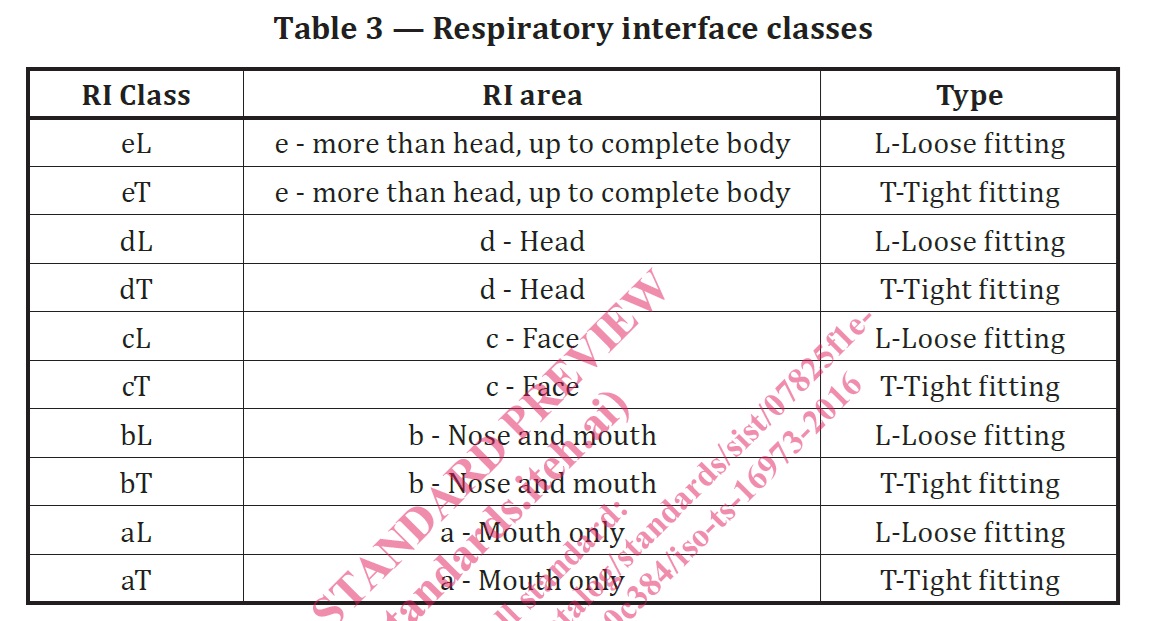
The new ISO respiratory standard ISO 16973-2023 specifies Respiratory Interface Classes with loose-fitting for a few types of facepieces as below:

  • We have repeatable fit test data at Power On mode for our facepiece-based PAPR AYO WX, and our data show a similar fit factor for a bearded person to a clean-shaven person, indicating good protection for our PAPR on a person with facial leaks, and demonstrating that PAPRs could provide good protection without a tight-fitting.
  • Therefore, we can expect a suitable PAPR with a loose-fitting facepiece to provide a good level of protection, although it may not provide the same protection as a tight-fitting PAPR when the pressure in the facepiece becomes negative.
  • Further, we have the view that a tight-fitting PAPR could be used as a loose-fitting PAPR provided that we accept the protection level is less than the PAPR with a user being clean-shaven and properly fit-tested.
The Total Inward Leakage (TIL) test clause specified in AS/NZS 1716:2012 for PAPRs doesn’t differentiate between loose-fitting and tight-fitting, as only Power On mode is used. As such, PAPRs with head covering, which are considered loose-fitting PAPRs, can achieve PAPR P3 protection class if the TIL result is within the PAPR P3 level, the highest level a tight-fitting PAPR can reach. This doesn’t sound right as we know loose-fitting PAPRs normally provide less protection than properly fit-tested tight-fitting PAPRs when the pressure goes negative in the breathing zone, and this is perhaps a key shortcoming of the Standard.

To this end, European Standards are written more appropriately by having EN 12942 for tight-fitting PAPRs and EN 12941 for loose-fitting PAPRs, where EN 12942 needs to test in Power On and Off modes, which makes sense for tight-fitting PAPRs, and EN 12941 tests in Power On mode only, which makes sense for loose-fitting PAPRs.

The highest class in EN 12942 is TM3, and the highest class in EN 12941 is TH3, where TM3 is 4 times better protection than TH3, this also makes sense.

So the ultimate issue/bottleneck in Australia is whether or not AS/NZS1715 and AS/NZS 1716 can be updated to recognize facepieces can be loose-fitting, and the protection level differences between tight-fitting and loose-fitting PAPRs.

Before this can happen, organizations with many bearded workers or high turnover rates have to rely on open minds and sound judgment from decision-makers, in particular, occupational hygienists in qualifying more suitable respirators that are otherwise not permitted to use if following the current Australian Standards dogmatically.

As a respirator designer and manufacturer, Aimwell believes AYO WX Around-neck PAPR series can normally work as both tight-fitting and loose-fitting and are better suited for a wide range of worksites and conditions than loose-fitting only PAPRs due to AYO WX unique practicality and flexibility by design.

Loose-fitting does not have to mean a hood or a helmet. The AYO WX FFM-LF loose-fitting full-face PAPR is a full facepiece that does not seal against skin.

Whichever mode you specify, AS/NZS 1715 puts the training and the records on the employer, not the manufacturer. See the employer’s PAPR training and record-keeping duties.

About the author:

Eric Fu, founder and managing director of Aimwell, has over 25 years of experience in breathing device design and manufacture.

What is Around-neck AYO WX PAPR Series Good About

There are many kinds of PAPRs on the market, and if we categorize them based on their structural styles, we could have the following categories:

  • On-facepiece
  • In-helmet
  • Hose & Belt – Facepiece
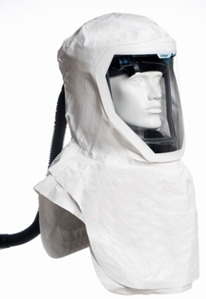
  • Hose & Belt – Helmet/Hood
  • Around-neck

Here is a quick go-through of them.

On-facepiece

  • Compact
  • Heavy on the face
  • Affect downward vision and work
  • Difficult to use in confined spaces
  • Difficult to implement on half facepiece

In-helmet

  • Include head protection by design
  • Heavy on the top – difficult for downward work
  • Difficult to use in confined spaces
  • Loose-fitting only – lower protection
  • Not feasible to half-facepiece
  • No choice but to wear the helmet even if you don’t want to

Hose & Belt + Facepiece

  • Hose-on-face affects work and vision
  • Hose affects mobility
  • Difficult to use in confined spaces
  • Troublesome to don and doff

Hose & Belt + Helmet/Hood

  • Include head/eye protection
  • Hose affects mobility
  • Difficult to use in confined spaces
  • Troublesome to don and doff
  • Not feasible to half-facepiece
  • Loose-fitting only
  • No choice but to wear the helmet or hood even if you don’t want to

 Around-neck AYO WX PAPR Series

AYO WX FFM-LF
LOOSE-FITTING

AYO WX FFM-DS
DOUBLE-SEAL
AYO WX HFM
STANDARD

AYO WX HFM
SPEECH-ENHANCED

AYO WX HFM
WELDING
  • Low profile on the face
  • Good mobility
  • Easy to don and doff
  • Can work with half-facepiece and full-facepiece
  • Flexible to add other PPE

It can be appreciated that the Around-neck AYO WX PAPR series is more practical and flexible than all other styles:

  • With low-profile facepieces that matter most when doing challenging hard work including downward work and in confined spaces.
  • No top-heavy helmet-mount PAPR that affects downward work.
  • No hose & Belt that affect mobility and working in confined spaces.
  • As it is around the neck, it is compatible with most common helmets, earmuffs, etc.
  • It allows flexibility of half-facepiece, full-facepiece, with or without a helmet, use of common and non-integrated helmets, including common welding helmets, etc.

Equipped with a world-leading breath-responsive flow control technology, the AYO WX PAPR series is capable of producing over 200 L/min peak flow when needed, yet it can work efficiently for up to 16 hours with a much smaller and lighter battery than in those of constant flow PAPRs.

By using advanced and smart technologies, AYO WX can be fitted around the neck, which demonstrates the best location to fit a PAPR for doing a wide range of industrial works.

AYO WX Around-neck PAPR Series is proudly invented, designed, and optimized in Australia by Aimwell.                                                                                                                  

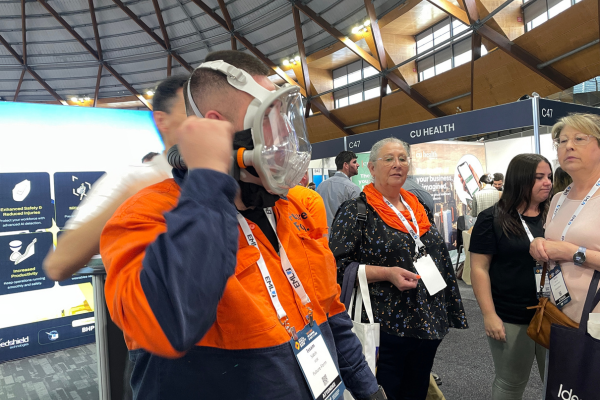
Workplace Health and Safety Show | Sydney 2024

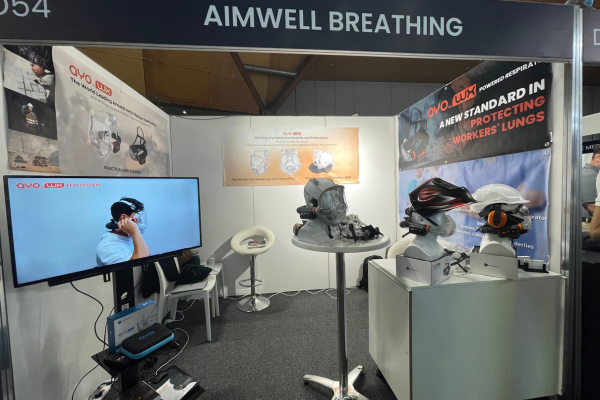
Aimwell attended the WHS Show 2024!

From 23-24 October 2024, at the Sydney Showgrounds Homebush, attendees explored the latest innovations in workplace health and safety.

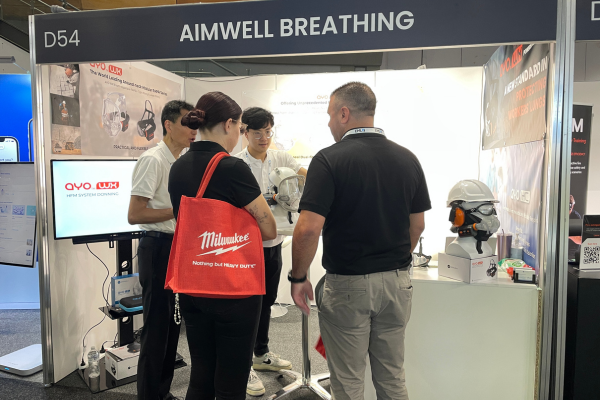
At our booth D54, visitors learned more about our world-class respiratory protection products, designed to keep workforces safe and healthy in the most hazardous dusty conditions. Our team was on hand to answer questions and showcase our wide range of industrial and healthcare respirators.

It was a great opportunity to connect with industry leaders and demonstrate how Aimwell supports respiratory protection needs.

All our innovative industrial PAPR products are certified to the highest PAPR P3 class by CMI

We also updated our brochures, click the buttons below:

At Aimwell, our mission is to provide cutting-edge respiratory protection solutions that enhance workplace safety and comfort. During the tradeshow, we showcased our latest line of industrial respirators, including our new Full-face mask powered systems, both in tight-fitting and loose-fitting. These respirators are designed to meet the demands of various industrial applications, including workers with beards.

AYO WX PAPR Series Common Features:

  • Patented Around-neck invention offers unprecedented mobility and flexibility.
  • Positive pressure ensured by world-leading Breath-responsive flow control technology with over 200 L/min peak flow.
  • Superb protection level – PAPR P3 with nominal protection factor > 2000
  • Superb fit factor with WX FFM_DS double-seal full-face mask and all WX half-face masks, typically over 2000 (Power-off mode with clean-shaven)
  • Innovative loose-fitting Add-ons for all masks, making AYO WX compatible with facial hairs without the need for fit testing.
  • Ample battery capacity with up to 16 hours of run time.
  • Battery replaceable.
  • Around-neck PAPR invention: no hose, no belt, not top-heavy, not face-heavy.
  • Low profile, lightweight, and great wearability – worn similar to a non-powered APR.
  • Compatible with most helmets, protective goggles, and earmuffs.
  • Very easy to operate, clean, and maintain.

To learn more about our AYO WX model and its unique features, visit our dedicated page at AYO WX Respirator.

0
0
Your Cart
Your cart is emptyReturn to Shop