PAPR for Beards: How Future Form Protects Bearded Construction Workers
Yes, you can wear a PAPR with a beard, as long as it is loose-fitting: a PAPR for beards protects you with filtered, positive-pressure airflow instead of a seal against your skin. If you are looking for a respirator for beards, start there: a tight-fitting mask leaks through facial hair, while a loose-fitting PAPR normally does not depend on a seal against your skin. Future Form, a formwork and concrete construction company, made that switch. Its bearded workers and newly arrived contractors now have protection from their first shift, without shaving and without fit testing.
Key Takeaways
- Tight-fitting masks, including disposable P2 masks and reusable half and full face respirators, depend on a seal that facial hair breaks, so bearded workers cannot rely on them.
- A loose-fitting PAPR uses a battery-powered blower to push filtered air into the mask, so it normally does not depend on a skin seal and can be worn with a beard.
- The AYO WX FFM-LF is certified to the loose-fitting standard EN 12941:2023 as TH3, so no fit testing is required, and to AS/NZS 1716:2012.
- Future Form switched its crews to the AYO WX FFM-LF and now protects bearded workers and new contractors from day one, saves hours of fit testing administration each month and reports 100% compliance.
Why Don’t Tight-Fitting Masks Work with a Beard?
A tight-fitting mask only protects you if every breath passes through the filter. When you inhale through a non-powered respirator, the pressure inside the mask drops below the air outside, and any gap between the mask and your face becomes a path for unfiltered air. A beard puts hair between the cushion and the skin, so a gap tends to stay open.
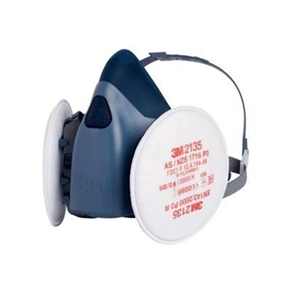
SafeWork NSW counts disposable P2 masks and reusable half and full facepiece respirators as close-fitting, and says workers who are not clean shaven above the cheeks, neck and jaw must not be given close-fitting respiratory protective equipment. It also requires every close-fitting half and full facepiece respirator to be fit tested before a worker first wears it and at least once a year after that.
Comfort works against the seal too. SafeWork SA notes that wearing a non-powered tight-fitting respirator for more than an hour, or during hard physical work, may become uncomfortable and lead people to take it off while still in the contaminated area, and that powered respirators may be more appropriate where heat stress is a risk. Our comparison of a negative pressure respirator vs a PAPR covers the breathing side in more detail.
What Type of Respirator Can You Wear with a Beard in Australia?
A loose-fitting powered air purifying respirator is the type of respirator for beards that lets you keep yours. Its blower pulls air through the filters and delivers it into the mask, producing flow designed to keep the pressure inside above the air outside. With the air pushing outward rather than being drawn in, small gaps at the edge of the mask matter far less than they do on a non-powered mask.
NIOSH’s guide to air-purifying respirators lists loose-fitting PAPRs as a possible alternative for people with facial hair. It also describes PAPRs as having low breathing resistance and as generally more protective than non-powered half masks, because the blower creates positive pressure inside the facepiece.
Heavy work is where PAPRs differ. Many loose-fitting PAPRs run at a constant flow, so a worker breathing hard can draw air faster than the blower delivers it. Our breath-responsive flow control raises the airflow as you breathe harder, up to 205 L/min at peak, which lets the PAPR respirator keep pace on demanding jobs.
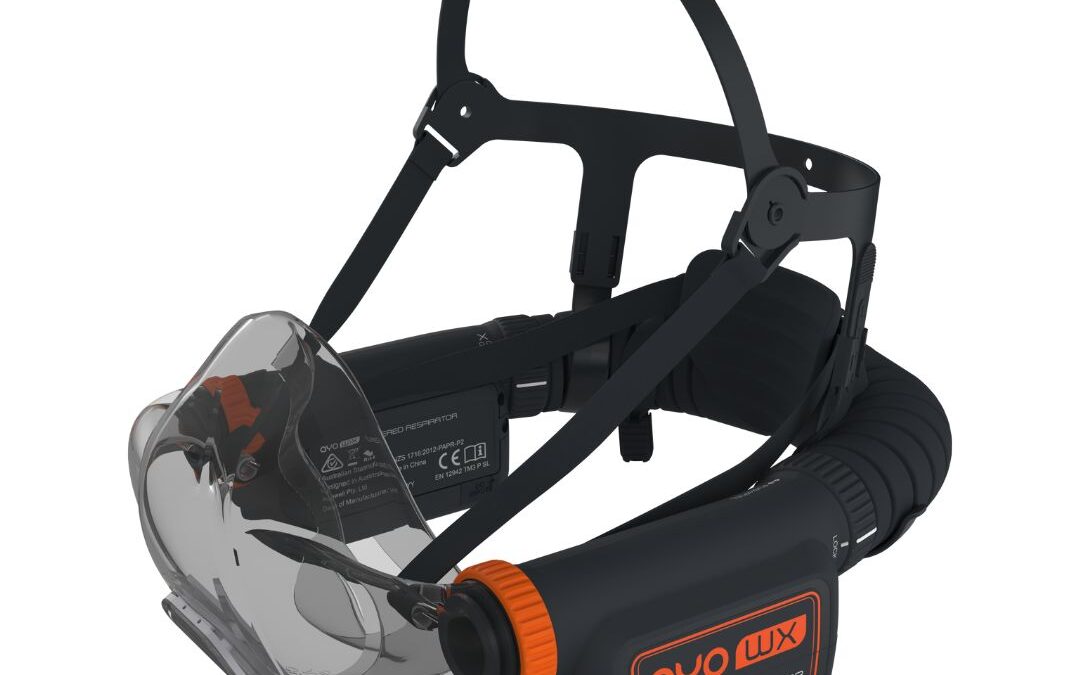
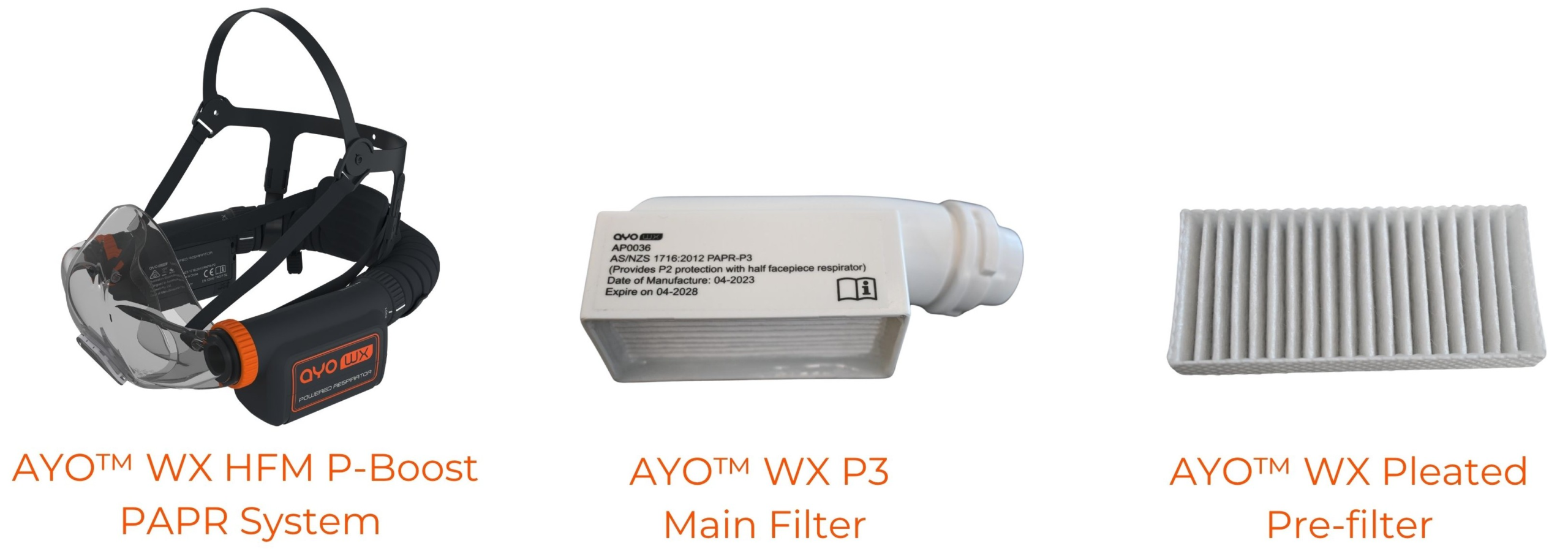
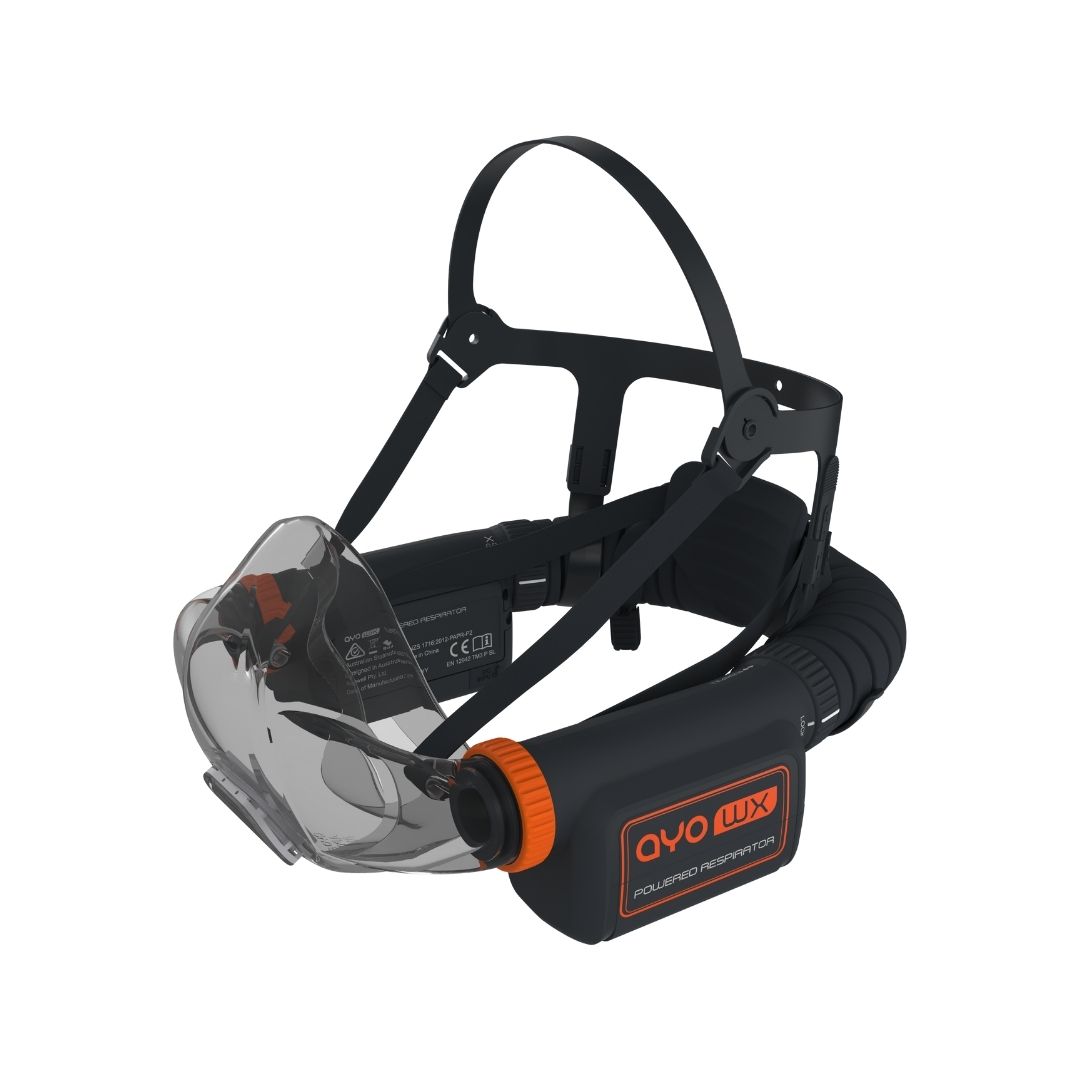
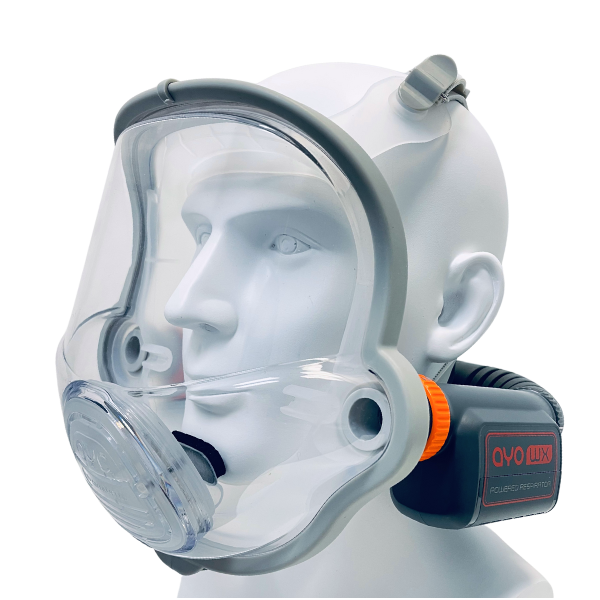
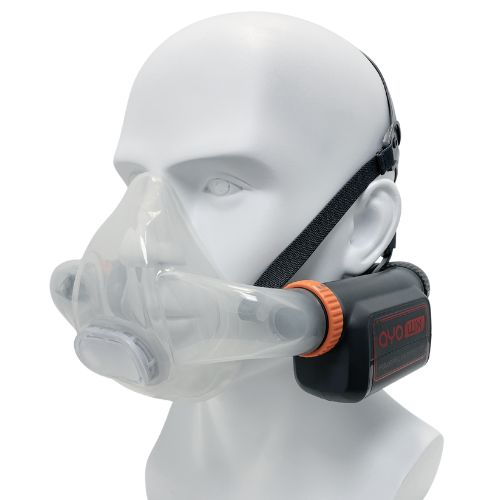
If you want a full face respirator for beards, a loose-fitting full face mask gives you eye and face coverage with the same positive-pressure principle. The AYO WX FFM-LF Loose-Fitting Full-Face Mask PAPR P-Boost System is our loose fitting PAPR for this job. The AYO WX HFM Standard Dual-Fitting Half-Face Mask PAPR P-Boost System is also certified as loose-fitting to EN 12941:2023 TH3.
Does a Loose-Fitting PAPR Require Fit Testing in Australia?
SafeWork NSW’s fit testing requirement covers close-fitting respirators, because a fit test measures the seal. The AYO WX FFM-LF is certified to the loose-fitting standard EN 12941:2023 as TH3, so no fit testing is required. In Australia it is certified to AS/NZS 1716:2012 under certificate PC10112, issued by CMI Certification. The certificate lists its facepiece as a loose fitting full facepiece. Always check that the TH3 level of protection is adequate for the exposure limit of the contaminants on your site. All of our certificates are on our AYO WX certificates page.
Fit testing is one part of a respiratory protection program, alongside training and maintenance. Our guide to PAPR fit testing and training requirements in Australia sets out how they fit together.
Do You Need to Be Clean Shaven to Wear a Respirator?
For a tight-fitting respirator, yes: the seal area has to be clean shaven, which is why SafeWork NSW rules out close-fitting masks for workers who are not. With the AYO WX FFM-LF, workers keep their beards. It suits most short beards as it is, and our Face Seal Kit (AP124) is an add-on designed for workers with longer beards.
Case Study: How Future Form Protects Bearded Construction Workers
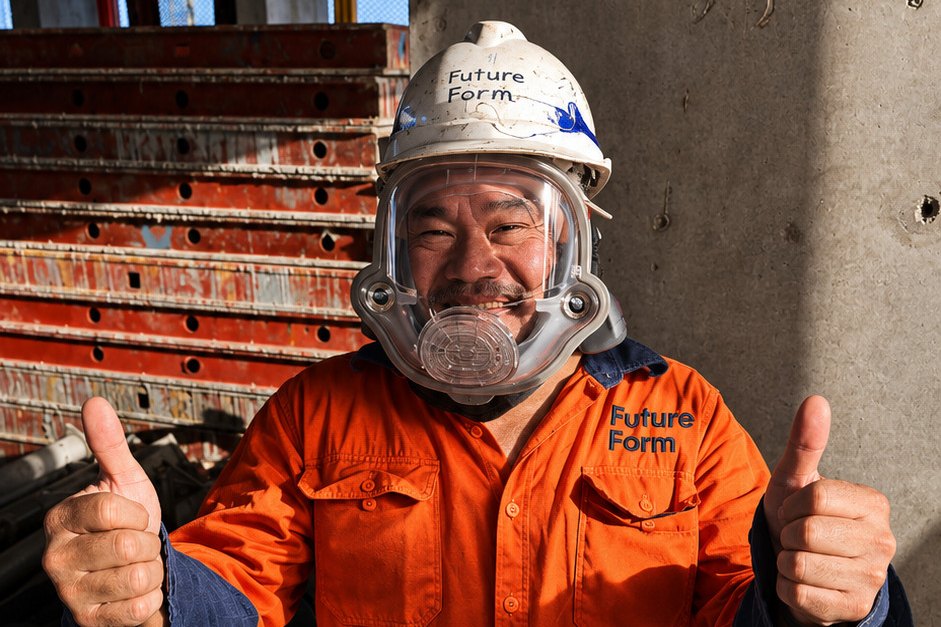
Future Form builds formwork and pours concrete, and silica dust is a pervasive hazard in that work. Safe Work Australia names construction among the industries where workers can be exposed to silica dust, and our guide on how to protect from silica dust covers the controls in more depth.
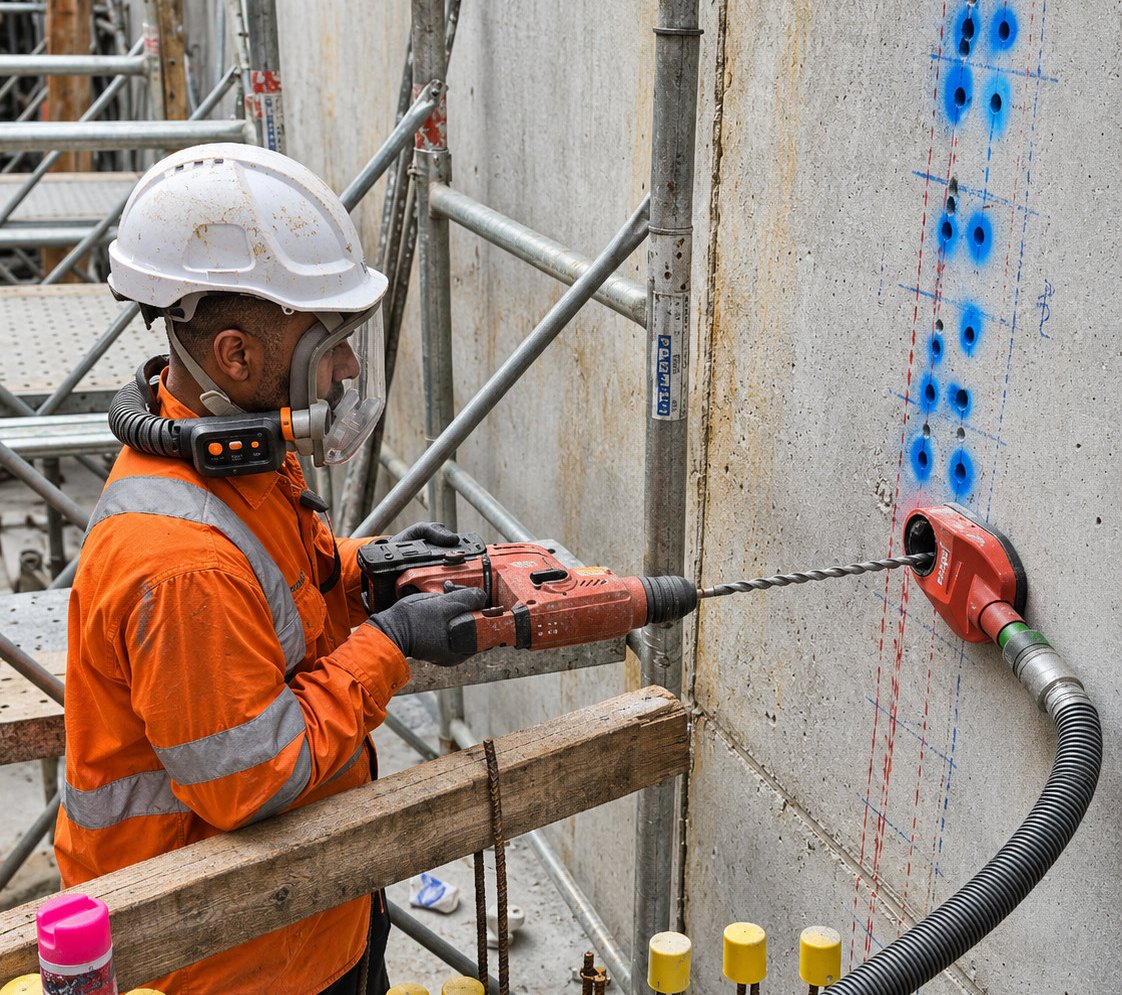
The company had been relying on disposable paper masks and non-powered respirators, and both fell short on fit testing, worker comfort and logistics. Four problems stood out:
- Many of Future Form’s workers have beards, which stop a tight-fitting mask from sealing. Keeping those masks meant a shaving rule that was costly and uncomfortable.
- Contractor turnover was high. Each new contractor needed a fit test before wearing a close-fitting mask, and the repeated testing delayed projects and added cost.
- Belt-mounted PAPRs and hose systems got in the way of workers carrying tools and working in confined spaces.
- The other powered respirators Future Form looked at were too expensive to issue across the whole workforce.
What Future Form Needed from a PAPR for Beards
Future Form set out six needs. This is how the AYO WX FFM-LF met each one.
| Future Form needed a respirator for | How the AYO WX FFM-LF meets it |
|---|---|
| Worksites with very severe silica dust hazards | EN 12941:2023 TH3, with PAPR P3 main filters |
| Work that demands strength and high exertion | Breath-responsive flow control, up to 205 L/min at peak |
| Workers with facial hair and beards | Loose-fitting, so it normally does not rely on a seal against the skin |
| Frequent contractor turnover | No fit testing required, so new workers are protected from day one |
| Work in confined spaces | No hose, and quick to put on and take off |
| Carrying tools around the waist | Around-neck power unit, with nothing on the belt |
No Hose, No Belt-Mounted Unit
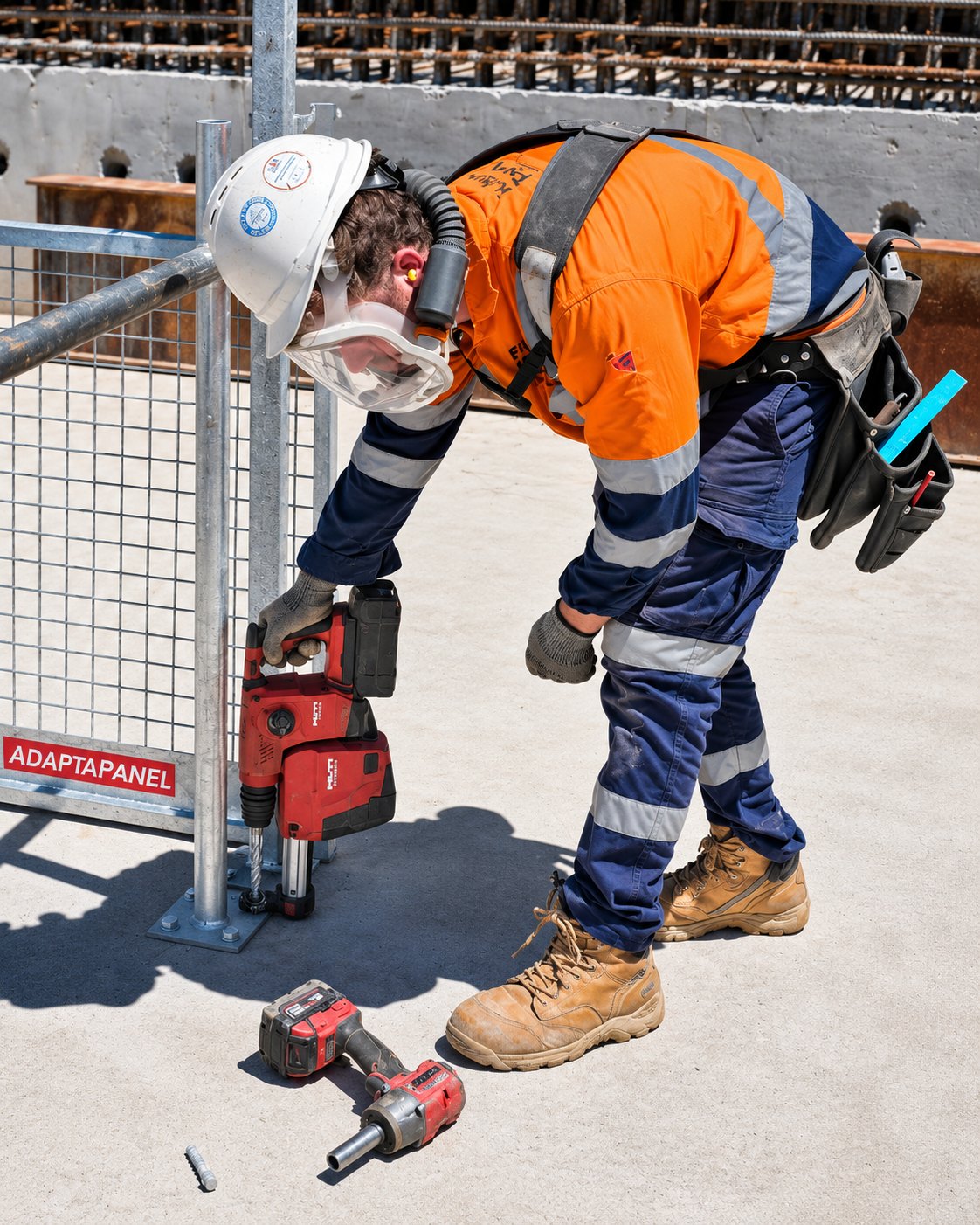
Our power unit sits around the neck and weighs under 450 g. There is no hose to catch on formwork and no unit on the belt, so the waist stays free for tools. The battery typically runs 8 to 16 hours per charge, depending on the workload and dust concentration.
Easy to Put On and Take Off, and Priced for the Whole Crew
The mask is quick to don and doff, which matters in confined spaces and whenever a worker needs to make a fast adjustment. The system is also priced so that Future Form could equip every worker without stretching the safety budget. For a worked example of PAPR running costs, see our running cost comparison between a NAPR and an AYO WX HFM P-Boost.
What Changed on Site?
Future Form no longer fit tests its crews. It now saves hours of fit testing administration every month, along with the cost of the tests, and reports 100% compliance because bearded workers and new contractors have reliable protection from day one.
Workers report less fatigue and unrestricted movement, even in tight spaces, and praise the comfort and ease of use. One contractor put it this way: “It’s the first mask I can wear all day without itching to take it off.”
“The Aimwell™ AYO™ WX changed the game for us. Fit testing is obsolete, and our workers no longer have to choose between safety and comfort. The cost savings alone justified the switch—but seeing our team embrace the system without complaint? That’s priceless.”
Greg Rogers, WHSE Manager, Future Form
The full Future Form case study (PDF) sets out the objectives, challenges and results on two pages.
Frequently Asked Questions
Can You Wear a Loose-Fitting PAPR with a Long Beard?
Yes. The AYO WX FFM-LF suits most short beards as it is, and the Face Seal Kit (AP124) is an add-on designed for workers with longer beards.
Can Bearded Workers Do Heavy Work in a Loose-Fitting PAPR?
Yes. Our breath-responsive flow control raises the airflow as the wearer breathes harder, up to 205 L/min at peak, which makes the AYO WX FFM-LF suited to heavy exertion. Future Form’s crews report less fatigue on formwork and concrete work.
Have bearded workers or a steady stream of new contractors on your sites?
Contact Aimwell to talk through your crews, your hazards and the AYO WX FFM-LF Loose-Fitting Full-Face Mask PAPR P-Boost System, or read more about Aimwell.
About the Author
Eric Fu is Managing Director of Aimwell Pty Ltd (ABN 68 652 924 957), an Australian respiratory protection manufacturer headquartered in Sydney. Aimwell designs the AYO™ WX powered air-purifying respirator range in Sydney and manufactures it in its own ISO 9001-certified facility in China.