Best-in-class battery life with battery replaceable
Best-in-class battery life with battery replaceable
- High battery capacity
- Extendable service life with a user-replaceable battery
Up to 16 hours of battery run time
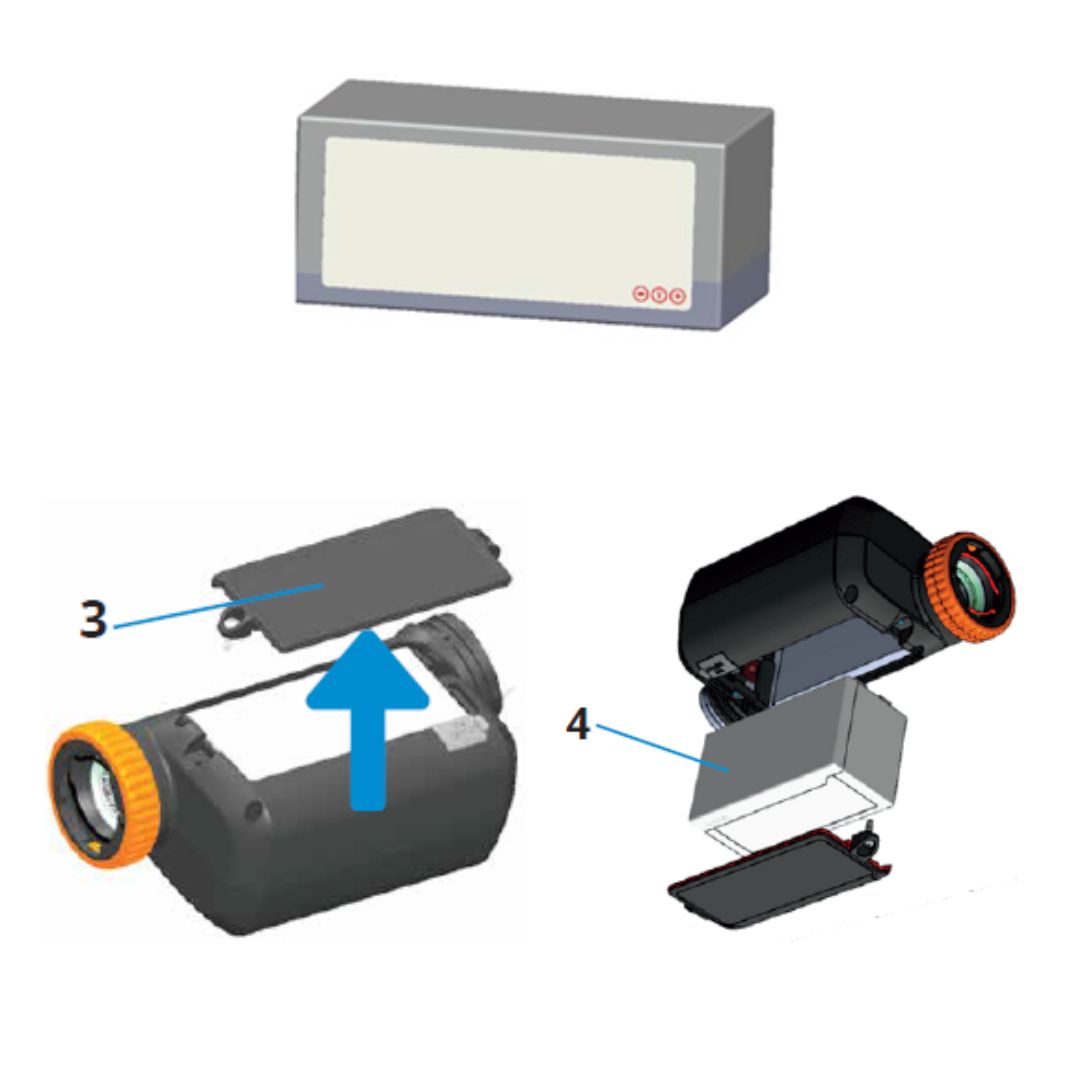

Best-in-class battery life with battery replaceable
Up to 16 hours of battery run time
Best-In-Class wearability for doing tough jobs
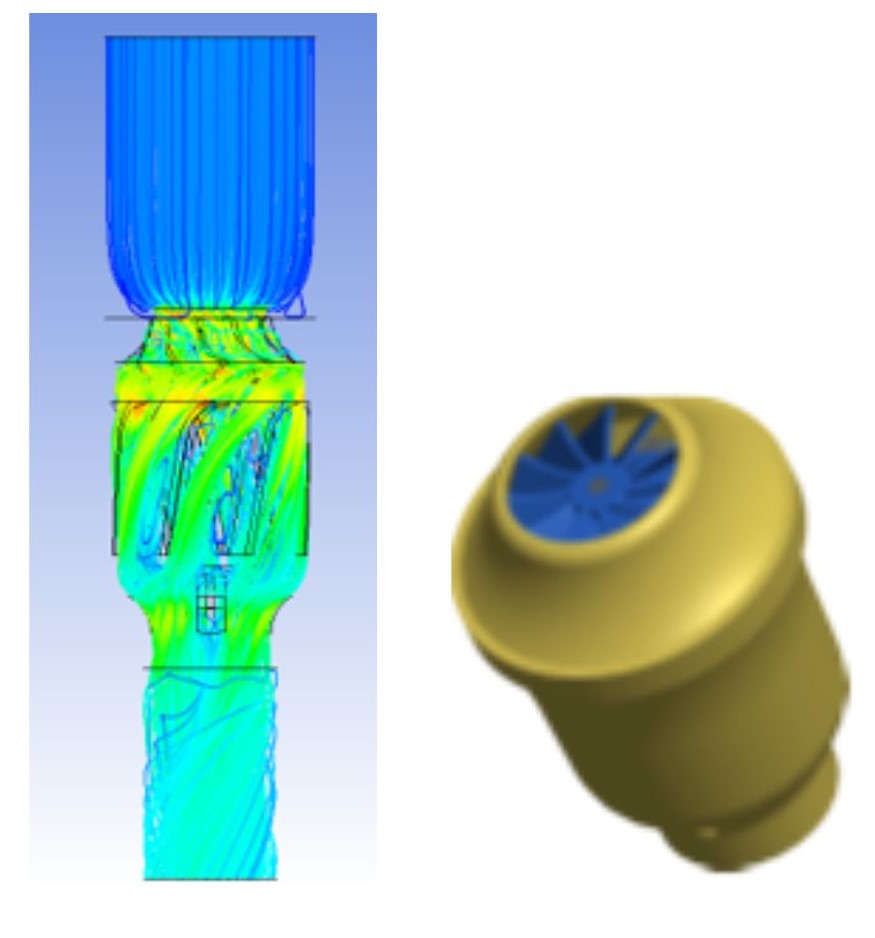
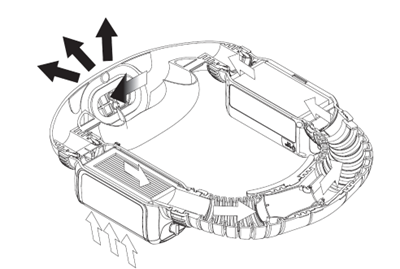
A sophisticated computational fluid dynamics design tool in conjunction with a novel motor design brings about a patented streamlined blower with powerful flow generation.
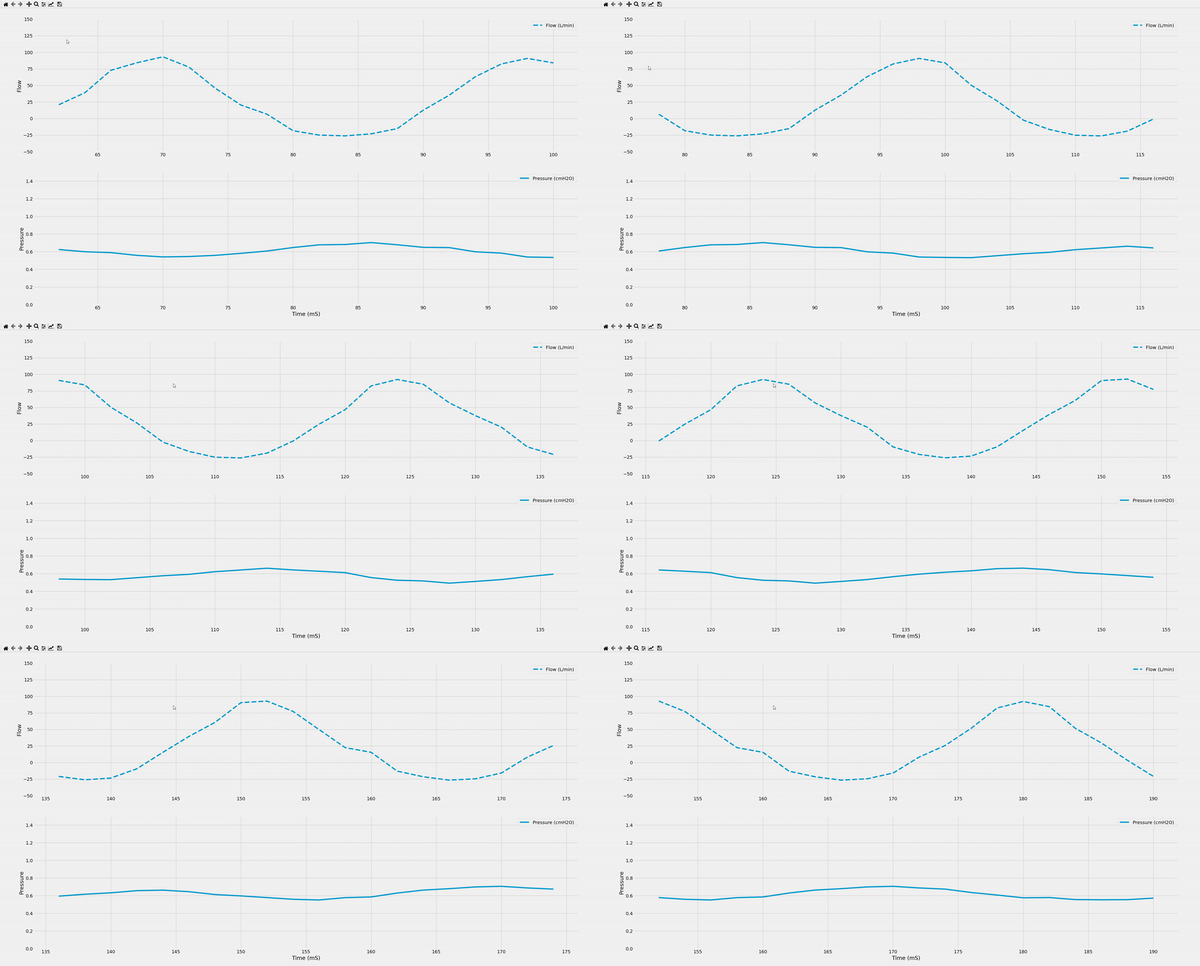
 |
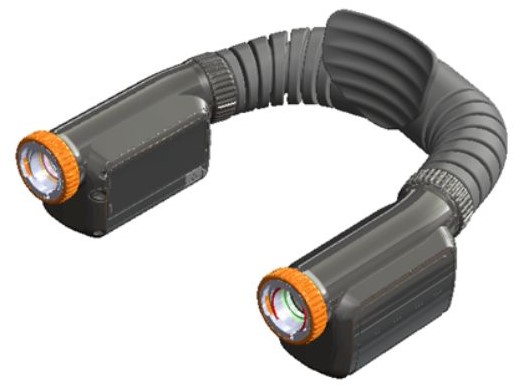 |
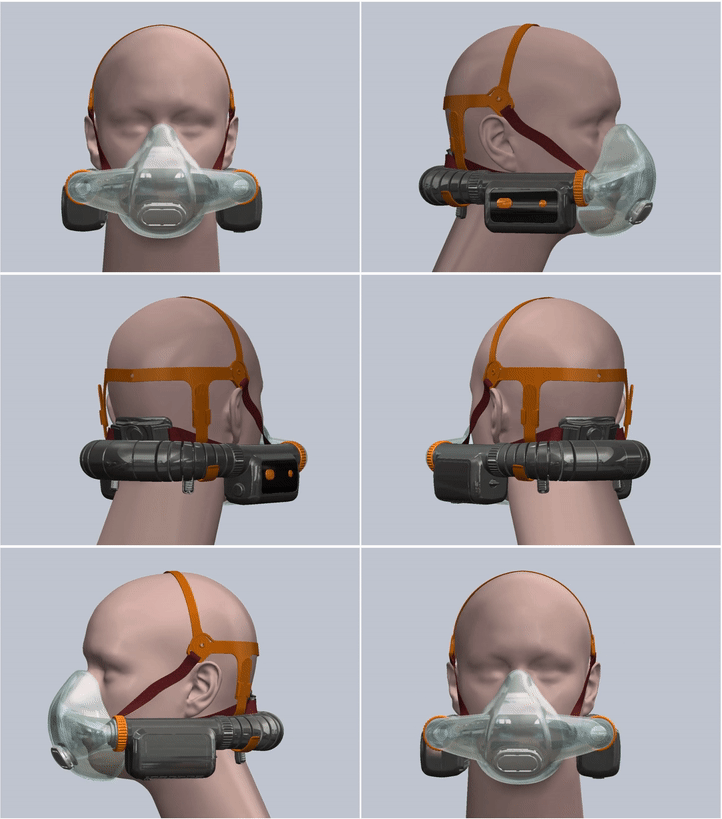
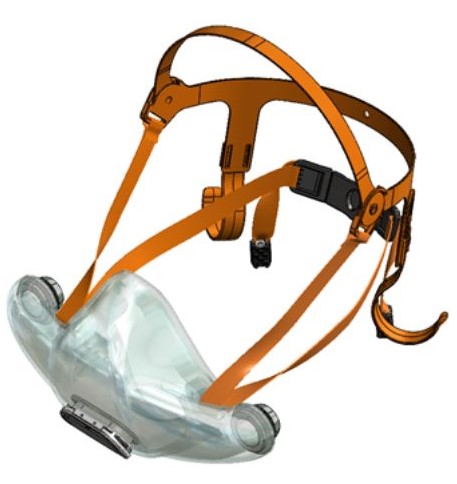
The patented structure spreads the main unit around the head, with the blower fitted inside a flexible pipe loaded at the back of the neck, ensuring easy head movement while doing physically demanding jobs.
Best-In-Class Protection and Lowest In-class Costs
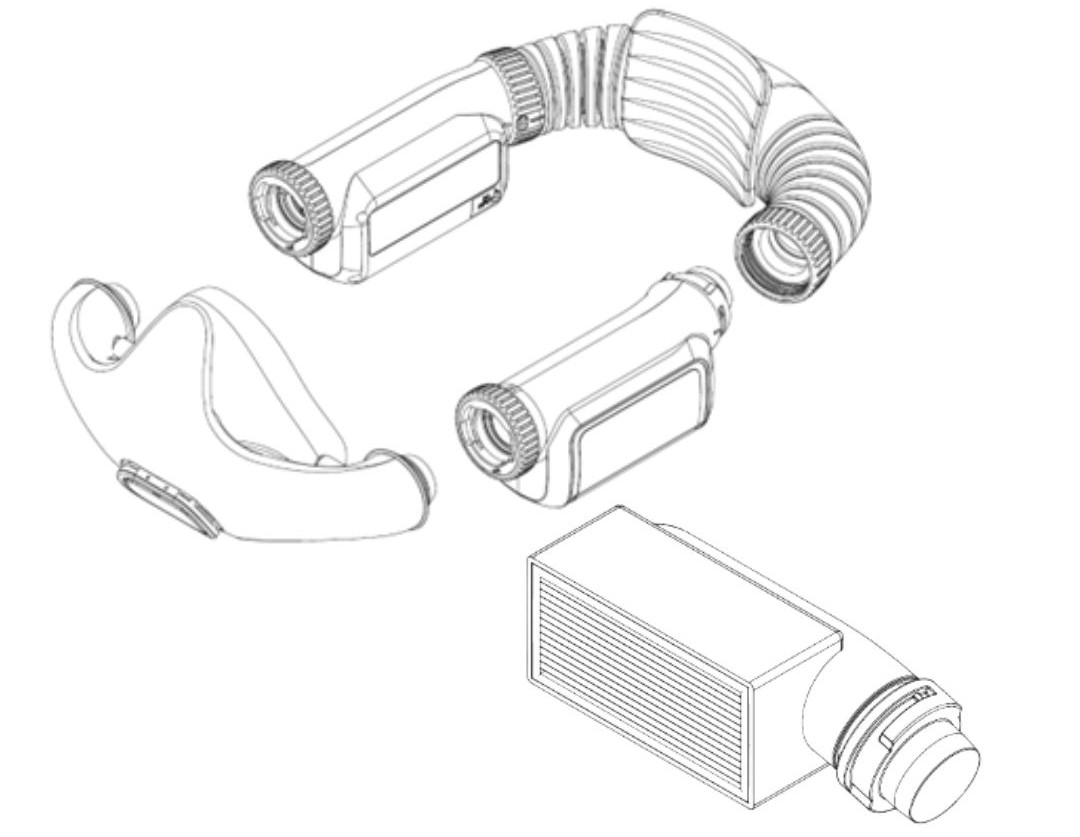
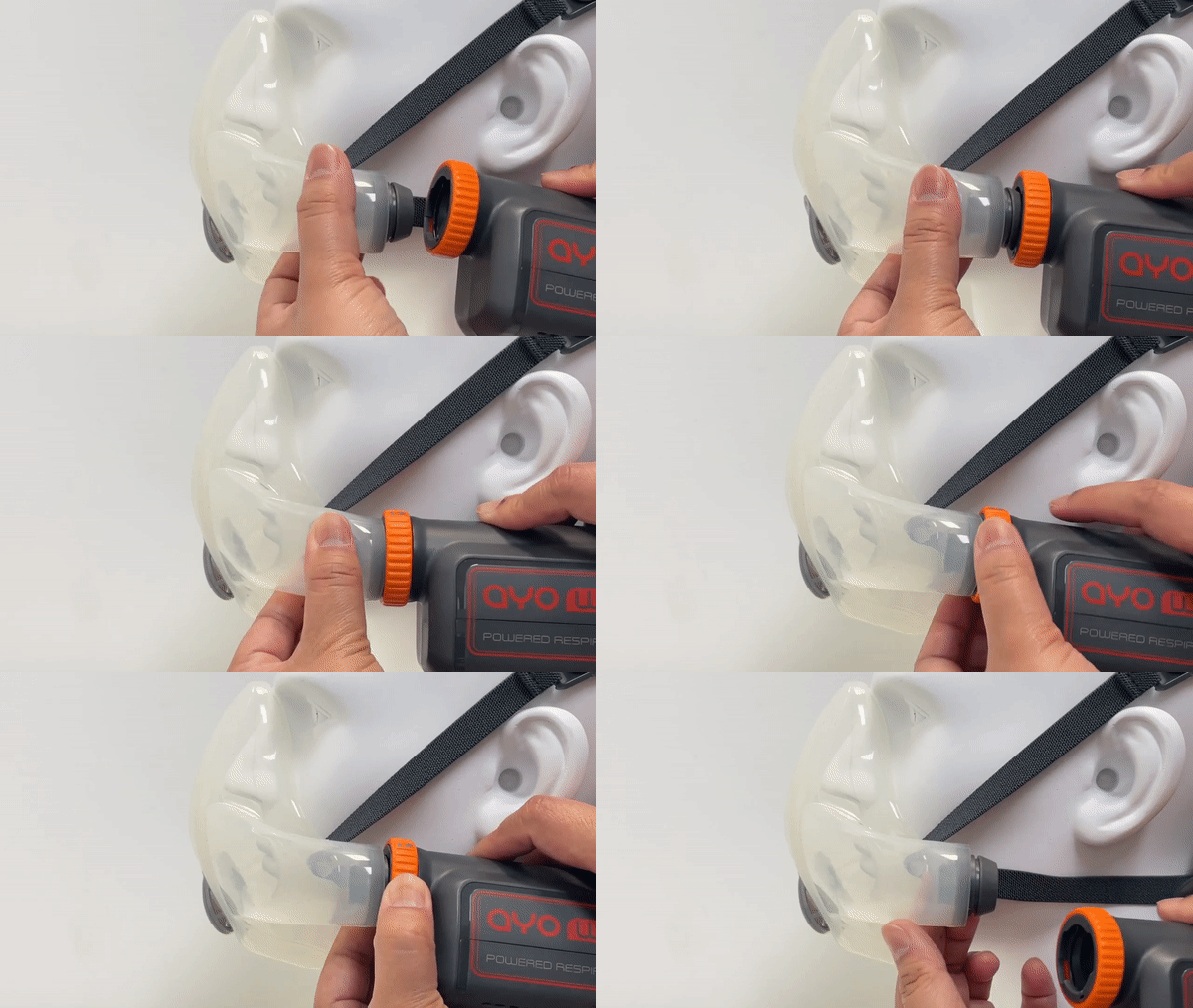
The filter element must connect to the Power Unit inlet in order to work, thus it is not possible to have the system connected without the filter element properly fitted – A fool-proof and intrinsically safe design.
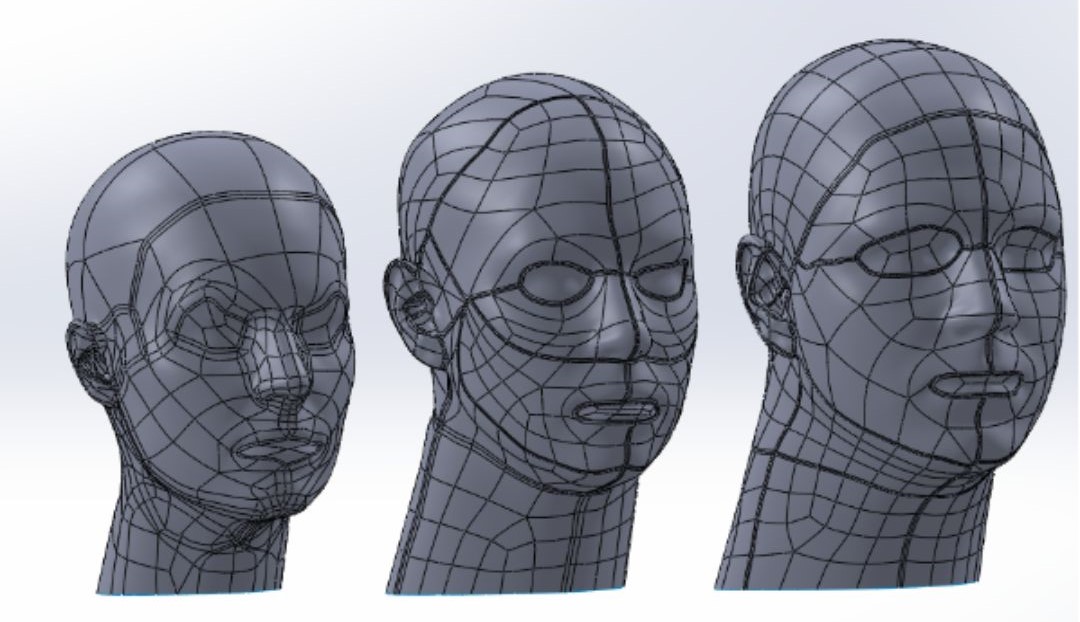
The silicone masks come in 3 sizes and are specially designed for 3 representative human head models, achieving an adaptive soft cushion that closely matches the facial profile of up to 99.7% of human demographics, resulting in a superb fit to cover most human faces, thus providing more reliable protection and comfort.
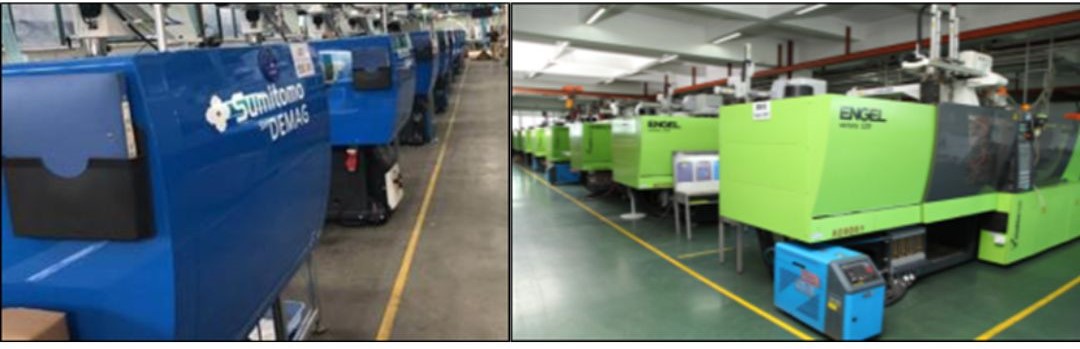
High-performance Injection Moulding Equipment
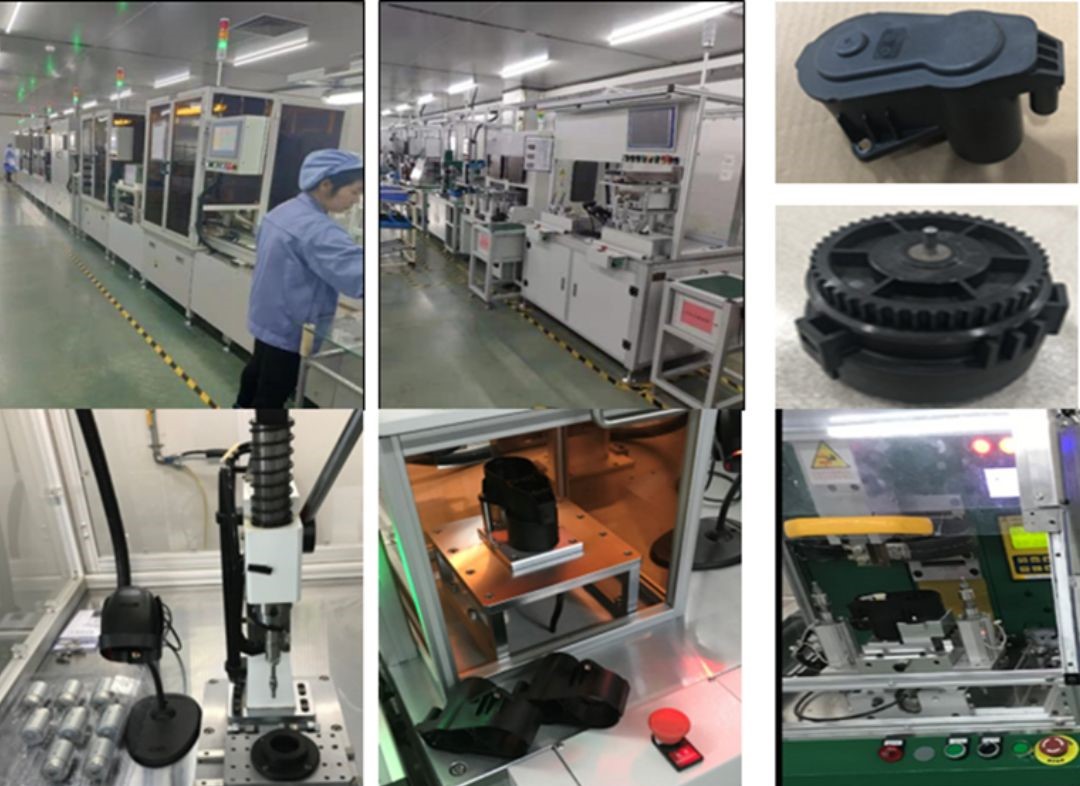
Automated and Intelligent Assembly Process
Advanced manufacturing techniques bring about low-cost quality products.
We all know that when we breathe, we breathe in O2, and breathe out CO2. So common perception of CO2 is that it is a waste gas and must be removed from the body.
However, the truth is that CO2 plays a critical role in our life, and when its level is too low in the lungs, blood, and tissue cells, our body simply can not function properly. Here is a summary of some of the key effects due to low CO2 in the body:
Therefore, the CO2 level in the body can be normally used to indicate how healthy the body is.
In the 1960s, Dr. Buteyko, the physician who created the science-based Buteyko Breathing, discovered and established the relationship between CO2 level in alveoli and the Control Pause (CP) – a specially defined breath-hold measurement by Dr. Buteyko himself. Such a relationship was later defined as a patented formula as below:
aCO2% = 3.5% + 0.05 * CP, where aCO2% is the CO2 concentration in the alveolar, CP is the Control Pause in seconds.
For example, for a physiological norm of aCO2 of 40 mmHg, at sea level of 760 mmHg atmospheric pressure, the corresponding aCO2% is 40/760 = 5.26%.
Applying to the above formula we get CP = 35.2 seconds.
Because CP can be measured with a watch, and provided the measurement is done closely following the defined steps and method, it can be done by everyone easily.
This is why it is one of the most important parameters in Buteyko Breathing to test how well your health state is.
Based on the research from the world-renowned health educator Dr. Artour Rakhimov on Buteyko Breathing, the following table summaries the link between CP to various health states:
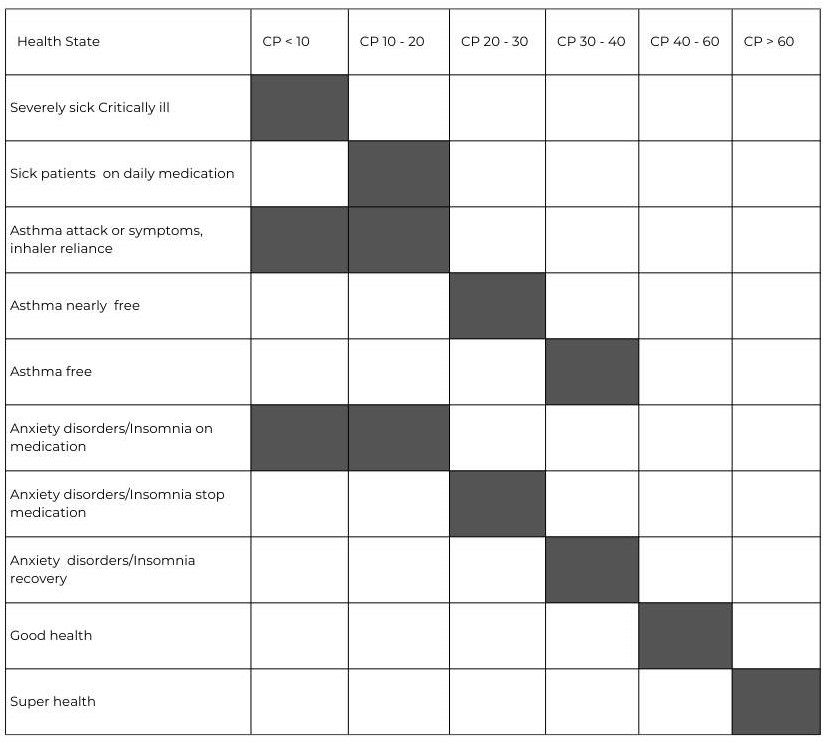
Note:
Since CO2 level in the body is directly influenced by breathing volume, thus Minute Ventilation (MV), the metric for breathing volume is linked with CO2 level in the body.
Based on Dr. Artour’s research about Buteyko Breathing, we can derive the link following the table below:
For Adult with 70 Kg weight
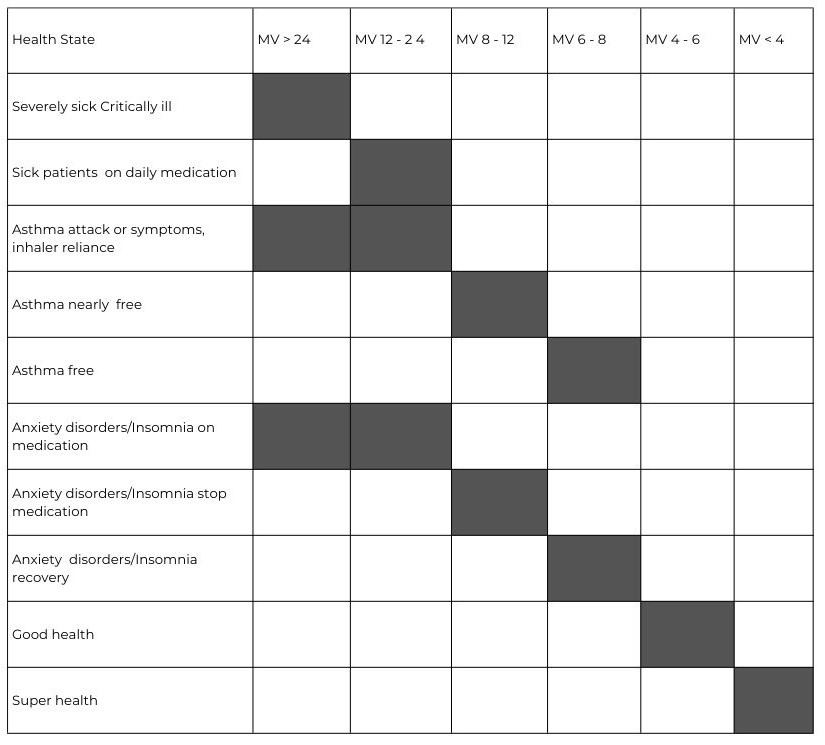
Note:
Contrary to common heath state monitoring, such as blood pressure, heart rate, blood sugar, blood cholesterol, where each only provides an isolated parameter of the body consisting of a vastly interlinked number of vital factors, the CP or MV provides an accurate overall picture of our health state in a holistic and efficient way. They had been scientifically and clinically proven since Dr. Buteyko and his colleague’s initial discovery and work back in the 1960s, which have benefited hundreds of thousands of patients since. However, they remain the largely unknown health metrics to most people, and the world should now wake up to appreciate and adopt them for the sake of our ultimate health.
Anxiety disorders are severe forms of anxiety becoming illnesses, while typical anxiety is a person’s normal reaction to stress and can be beneficial in some situations when the severity of it is manageable, such as alerting us to dangers and critical situations or helping us prepare and anticipate important events with normal feelings of nervousness or anxiousness.
Anxiety disorders, on the other hand, involve excessive fear, worry, or apprehension, where fear is an emotional response to an immediate threat and is more associated with a fight or flight reaction, and worry refers to the anticipation of a future concern and is more associated with muscle tension and avoidance behaviour.
Anxiety disorders are the most common mental disorders and affect nearly 30% of adults at some point in their lives. Millions of people around the world suffer anxiety daily for various reasons, such as stress from work, family issues, health concerns, financial obligations, etc. Anxiety disorders can affect a person’s ability to work, study, and function in normal activities.
Stress is a common trigger to anxiety and it’s important to catch anxiety symptoms and manage them early and effectively to prevent the development of an anxiety disorder.
Unlike Stress, which is typically caused by an external trigger, once the situation has been resolved, it would go away, but severe anxiety, on the other hand, is defined by persistent, excessive worries that don’t go away even in the absence of an external stressor, thus its origin is internal. Anxiety leads to a nearly identical set of symptoms as stress: insomnia, difficulty concentrating, fatigue, muscle tension, and irritability.
Anxiety disorders are classified in a variety of ways: generalized anxiety, panic disorder, phobias, social anxiety, obsessive-compulsive disorder, and post-traumatic stress disorder (PTSD).
The causes of anxiety disorders are hard to pinpoint but likely involve a combination of factors including genetic, environmental, psychological, developmental, lifestyle, and physiological.
Anxiety disorders are normally treatable by analyzing possible causes and then applying targeted treatment accordingly.
In a nutshell, anxiety disorders are the results and symptoms of malfunctioning body organisms, so the first thing to look for is what physiological parts of the body have got affected and then address them directly before doing anything else.
It is common knowledge that anxiety causes hyperventilation, and anxiety activates the sympathetic nervous system, sending your body into fight-or-flight mode. During this reaction, stress hormones excite the breathing center in the brain to make breathing heavier.
However, what is less known is that hyperventilation can cause mental disorders including anxiety disorders.
Konstantin P. Buteyko, MD-PhD, is a world-renowned physiologist and the creator of the Buteyko Method, a science-based breathing normalization practice that has since benefited and cured hundreds of thousands of chronic disease sufferers, in particular, asthmatics.
Dr. Buteyko confirmed and was also proved by scientific studies that hyperventilation or Over-breathing is the common cause of a great number of widespread diseases triggered by lifestyle.
One of the diseases that can be caused by hyperventilation is a mental disorder. Here is a summary of his reasoning:
This finding is particularly significant in that:
The ‘flight-or-fight’ response from anxiety floods the body quickly with a stress hormone called adrenaline. In this type of situation, your brain sends messages to your adrenal glands (located just above the kidneys) to start releasing the hormone into the blood, which activates the sympathetic nervous system to fight or flight accompanied by increasing heart rate, intensifying breathing, raising blood pressure, muscle tension, and restlessness.
However, with chronic or excessive anxiety due to nonphysical or harmless stressors, such as traffic jams, financial worries, frustrating meetings, or relationship troubles, your body can have too much adrenaline and your mind can be affected by a constantly excited sympathetic nervous system which can lead to anxiety disorders.
Relaxing the sympathetic nervous system and controlling the adrenaline to a normal level in situations other than the true dangers or critical events is paramount in order to prevent mental disorders and stay healthy.
There are many ways to treat anxiety disorders; two of the most common ones are medication and psychotherapy.
However, regardless of either of these treatments that you may seek, we must address the underlining responsible physiological links first before seeking any other treatments or measures, precisely you must:
Here we recommend three effective and proven practices for this purpose:
To prevent hyperventilation, Buteyko Reduced Breathing is the most profound and effective method available, as the aim of this breathing technique is to increase the CO2 level in the body, which will effectively prevent hyperventilation if adopted and practiced correctly.
In addition, Buteyko Breathing requires diaphragmatic breathing via the nose, which promotes slower and lighter breathing that activates the parasympathetic nervous system responsible for relaxation and relaxes the sympathetic nervous system responsible for fight-and-flight.
As added benefits, increasing the CO2 level in the body will also help prevent many other underlying chronic diseases, such as damage to the nervous system due to oxygen starvation from hyperventilation, hypertension, metabolism malfunction, and immune system disorders.
A minimum of 1-hour accumulated time of reduced breathing practice is normally required to be effective, especially if your state of hyperventilation is high. However, some parts of the practice can be done at any possible time slot you could find, such as observing or consciously slowing down your breathing during the daily commute, when doing some work that not requiring your full attention, during an easy reading, etc.
Meditation has been long proven and confirmed by extensive scientific research for its effectiveness in stress and anxiety relief, relaxing the mind and the sympathetic nervous system.
A regular meditation practice, even just 10 minutes twice a day, can have dramatic effects on stress levels and adrenaline levels. Studies show that meditation is effective at reducing blood pressure and cardiovascular disease, slowing heart rate, and improving immune-system and digestive functioning. This is all due to meditation’s relaxing effects on your body, which switch it from a state of stress, or sympathetic fight or flight nervous system activation, to one of relaxation, or parasympathetic nervous system activation, decreasing amounts of stress hormones like adrenaline and cortisol.
In addition, observing breathing during meditation helps calm and reduce breathing, which in turn helps your concentration during the meditation, which enhances the quality of meditation.
Physical exercise helps reduce stress and promotes relaxation. This is because, during exercise, the body releases endorphins, which are neurotransmitters that promote a sense of calm and well-being and reduce pain and discomfort. Exercise also increases blood flow to the brain, which can help improve mood and cognitive functioning.
Regular physical activity also helps reduce muscle tension, promote relaxation, and provide a distraction from worry and negative thinking.
Even just a 10-minute walk a few times a day can be enough to reap the benefits of physical movement to lower stress and anxiety levels that can trigger the release of unwanted adrenaline.
In addition, a prolonged physical exercise of 20 – 30 minutes of light to moderate intensity will help raise your adaptation to CO2 level in a similar way as reduced breathing at rest. So in a sense, physical exercise is an extension of reduced breathing at rest.
Buteyko Reduced Breathing, Meditation, and Physical Exercise are 3 complementary and interlinked wellness practices, and their regular and persistent practice will provide a solid foundation to relieve and prevent most anxiety disorders.
Further, these 3-practices are so fundamentally beneficial that we all should adopt them in our daily routine, just like our 3-meals each day, to establish a lifestyle that promotes our ultimate well-being regardless of if we suffer from anxiety disorders or not.