Manage Your Health with Breathing Data in Apple Health App

Apple Health App is increasingly becoming popular with many health-conscious people. This is because the App collects many types of health information in one place, which provides a more complete picture of how your overall health goes than a small fraction of health data would tell. The App was released by Apple in 2014 with the goal to provide users with easy-to-understand, meaningful insights so they can be empowered to live a healthier life.  

The Apple Health App is a built-in app on your iPhone or iPad that lets you track your health and fitness data. It can be used to monitor the following:

  • Sleep quality
  • Steps taken each day
  • Heart rate (if you have an Apple Watch)
  • Active calories burned during exercise or movement throughout the day
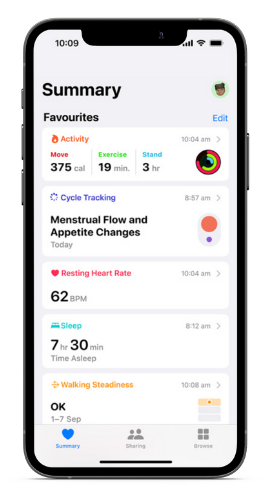
Over the past 9 years, Apple has continued to improve it, with recently added features to track your medications, share your data with your doctors, see your sleep stages, etc.

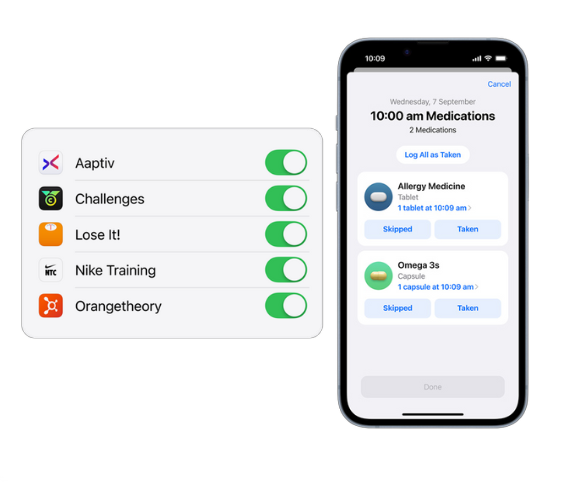
One of the great features of the App is that it facilitates and encourages innovative third-party health and fitness apps to pass their sensed data to Apple Health.

Examples of data from third-party Apps include heart rate and walking steps, which many brands of sports watches are able to provide. Apart from many other types of health information, Apple Health App provides data types covering all five vital signs for human health:

  • Heart rate
  • Blood pressure
  • Body temperature
  • Breath rate
  • Spirometry

The top three are widely obtainable from many products worldwide, however, Apps with Breath Rate and Spirometry data are hardly available.

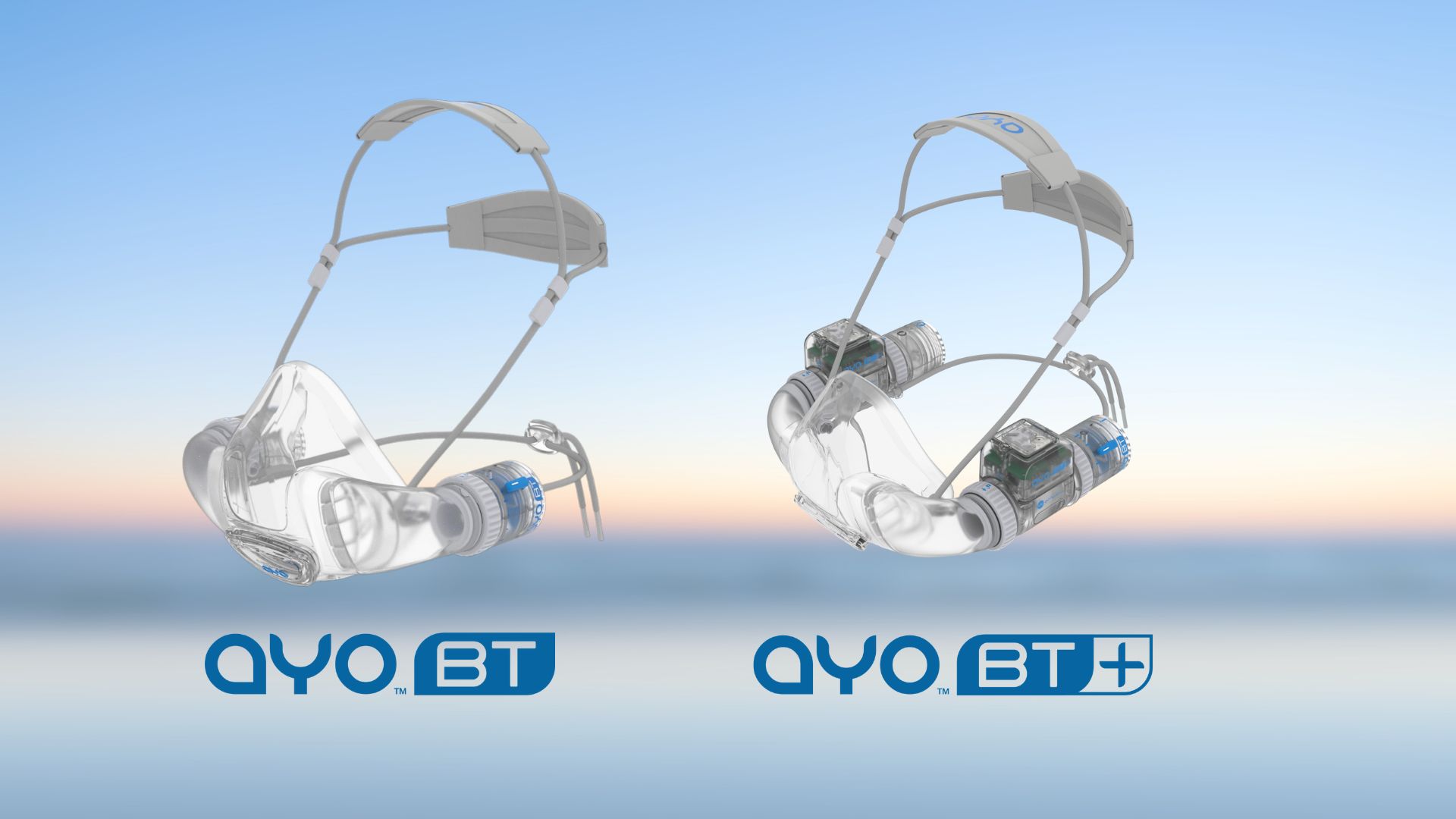
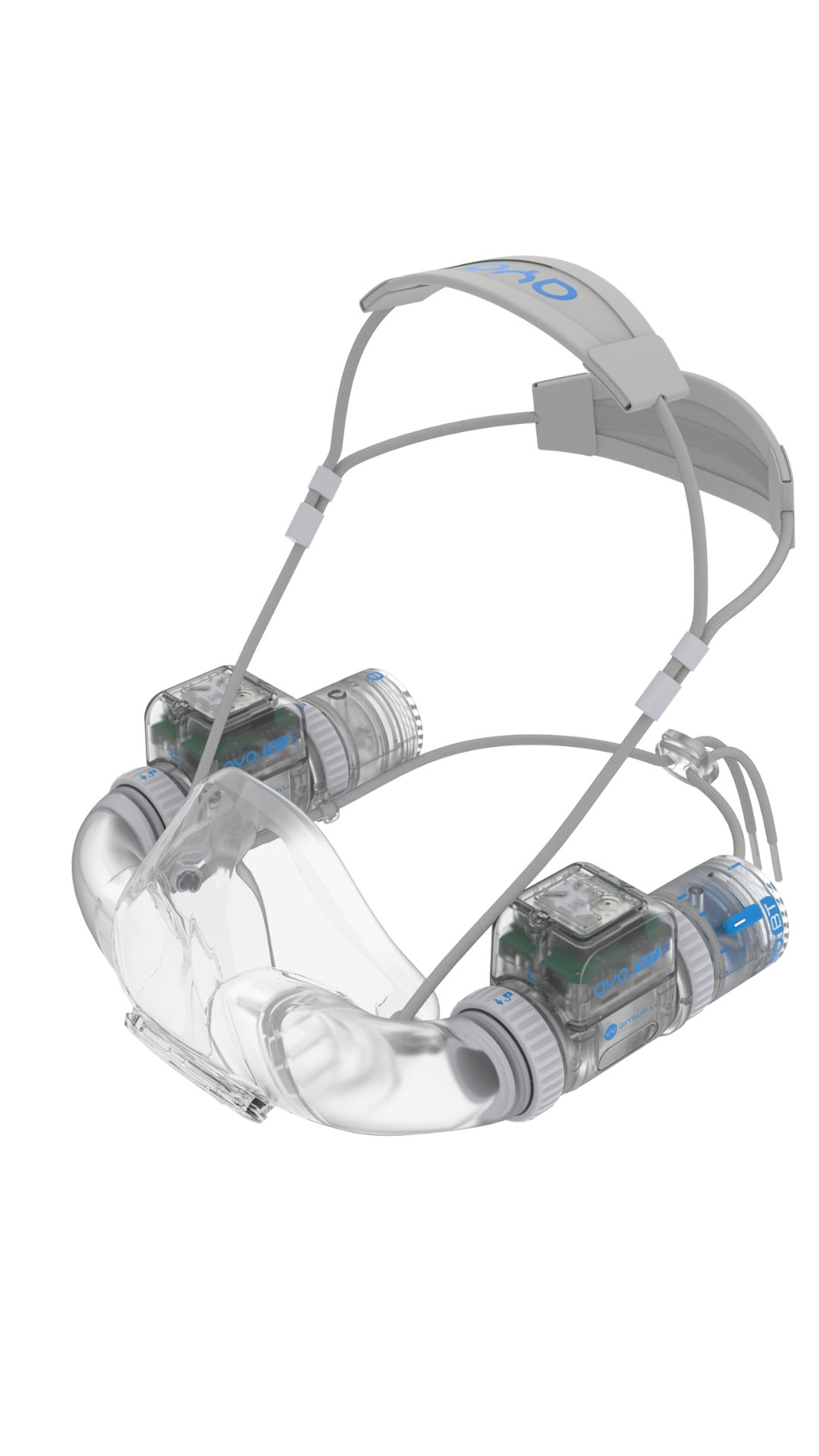
The Great news is that Aimwell AYO BT+ Breathing Measurement and Exerciser can do just that! A great innovation in breathing training and measurement, this Australian invention stands out from the rest in offering these vital data to Apple Health. Spirometry, in particular, is specifically important for asthma and COPD management.

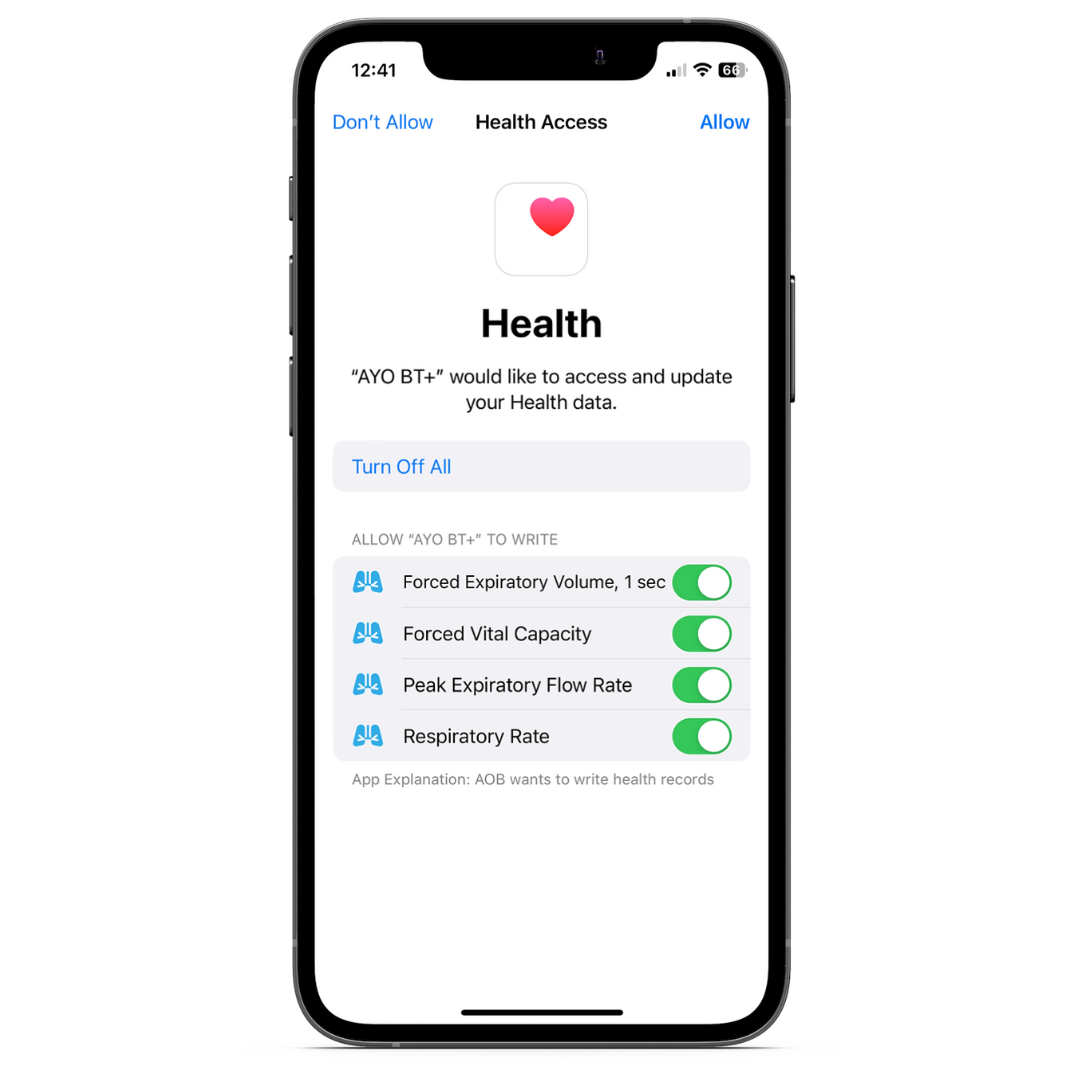
The way to get the breathing data to Apple Health

Breath Rate:

This is done in the Breathing in Meditation session of the AYO BT+ App, where you are supposed to be in a resting and completely relaxed state. At the end of the session, a summary report will be generated, with an average Breath Rate calculated. Once the result is saved to the App, the Breath Rate is then linked to Apple Health.

Spirometry:

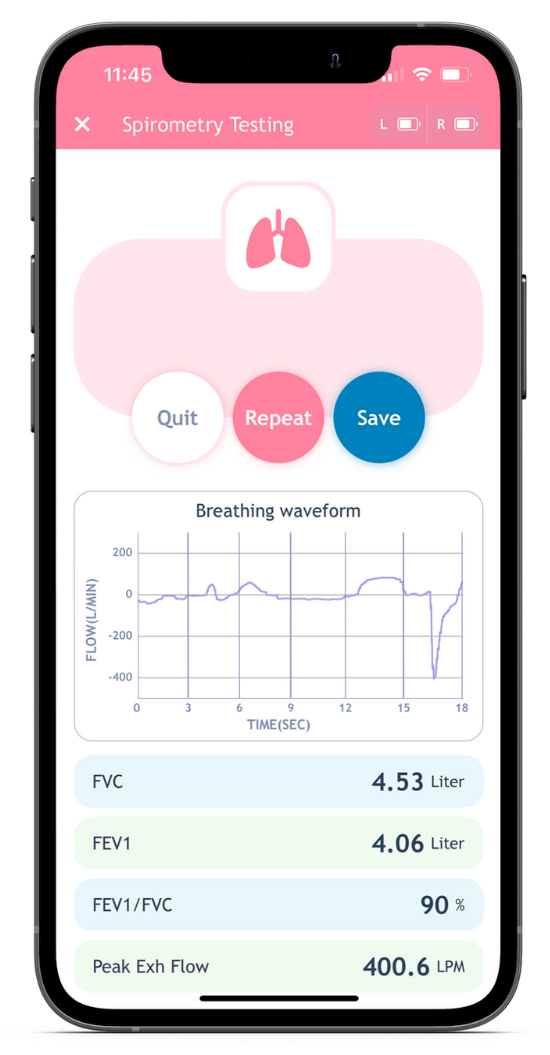
This is done in the Spirometry Testing session of the AYO BT+ App, where the following lung function Testing is performed:

Forced Vital Capacity (FVC): The total amount of air you exhale during a forced expiratory volume test, which is an indication of the lung capacity in volume.

Forced Expiratory volume, 1 second (FEV1): Forced Expiratory Volume during the first-second expiration, which is an indication if the airways are obstructive or not.

FEV1/ FVC: The ratio between FEV1 and FVC is used in the diagnosis of restrictive or obstructive lung disease. For healthy people, it is above 70%. The value is reduced for asthmatics and COPD patients.

Peak Expiratory Flow Rate (PEF): The maximum expiratory flow is an indication of the degree of obstruction in the airways. The value is reduced for asthmatics and COPD patients.

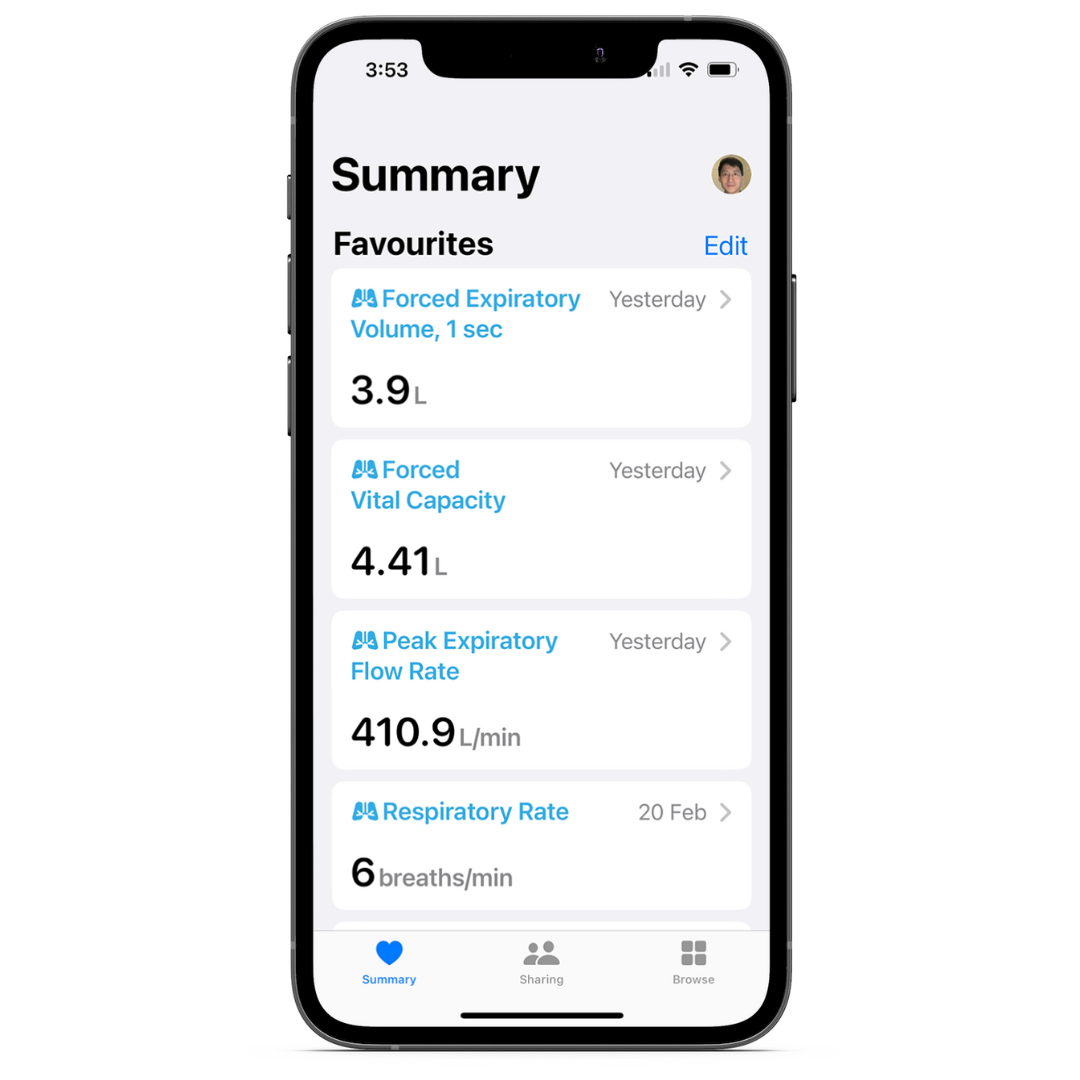
Once a test is completed and the result is saved to the App, FVC, FEV1, and PEF will be linked to Apple Health.

Within Apple Health, a calendar format data storage is provided, where you can see the data in Day, Week, Month, 6 Months, and Year format, a great way to see how these data are trending at a glance.

In short, your health information is now more complete with AYO BT+ providing vital breathing and lung function data.
Spirometry Testing – An Effective Metric Testing for Asthmatics

What is Spirometry?

Spirometry is an objective physiological lung function test, and it is one of the most important tools for pulmonary physicians to diagnose lung and airway conditions accurately.

What Conditions Can Spirometry Test Diagnose?

Typically, spirometry testing is used to diagnose asthma, chronic obstructive pulmonary disease (COPD), and other conditions that affect breathing. In asthma, spirometry is used to detect obstruction, the degree of obstruction, and the variability of obstruction.

If you’ve already been diagnosed with a chronic lung disorder such as asthma, spirometry may be used periodically to monitor your lung and airway condition and check whether a treatment for your asthma is helping you breathe better, or whether your breathing problems are under control.

What Does Spirometry Measure?

Simply put, spirometry measures how much air you inhale, how much you exhale, and how quickly you exhale.

Key spirometry tests include the following:

Forced Vital Capacity (FVC):

This is the largest amount of air that you can forcefully exhale after breathing in as deeply as you can. A lower-than-normal FVC reading indicates restricted breathing.
Forced Expiratory volume in 1 second (FEV1):
This is how much air you can force from your lungs in one second. This reading helps assess the severity of your breathing problems. Lower FEV1 readings indicate more significant obstruction.FEV1/

FVC Ratio:

The ratio between FEV1 and FVC is used in the diagnosis of restrictive or obstructive lung disease. For healthy people, it is above 70%. The value is reduced for asthmatics and COPD patients showing the presence of an obstruction in the lungs or airways. Different from FEV1 alone, FEV1/FVC ratio provides a relative indication of obstruction such as in asthma, and it is particularly useful in helping assess how well your asthma treatment or management is working or how your condition is progressing.

Peak Expiratory Flow Rate (PEF):

The maximum expiratory flow is an indication of the degree of obstruction in the airways. The value is reduced for asthmatics and COPD patients.

FVC, FEV1, FEV1/FVC, and PEF together provide a good picture of how well your lungs and airways function.

Spirometry Testing – An Effective Metric Testing for Asthmatics

How to Prepare and Perform a Spirometry Test

To Prepare:

● You may need to stop using your inhaler beforehand. Check with your doctor.
● Wear loose clothing that won’t interfere with your ability to take a deep breath.
● Avoid eating a large meal or drinking alcohol before your test.
● Avoid smoking for 24 hours before the test.
● Avoid heavy physical effort or exercise for at least 30 minutes before the test.

To Perform:

● Sit in a chair with your back straight.
● Follow the instructions to put on a breathing piece.
● Take a deep breath in as far as you could, then hold your breath for a few seconds before exhaling as hard and complete as you can into the breathing piece.
● Repeat the test three times to make sure that the 3 test results are consistent, then record the highest value.

Spirometry Criteria For Normal Condition

The normal/health range of the spirometry results varies from person to person, they’re based on your age, height, race, and sex.
You can find your estimated normal values from relevant medical sources. Typically, for FVC, FEV1, and PEF, a ratio value of >= 80% of the estimate is considered normal. For FEV1/FVC, >= 70% is considered normal.

How to Use Spirometry to Diagnose and Manage Asthma

● To manage your asthma, we recommend that you perform spirometry testing periodically based on the severity of your symptoms.
● You could first find out your normal range for FVC, FEV1, and PEF.
● Record your spirometry results of FVC, FEV1, FEV1/FVC, PEF.

Spirometry Criteria for Asthma

● If the ratio of FVC, FEV1 and PEF results to your corresponding normal values are below 80%, or FEV1/FVC ratio below 70%, it is an indication of asthma.
● You should discuss with or visit your doctor for treatment or adjust the existing treatment.

In summary, spirometry is a highly effective metric for the diagnosis and management of your asthma. Further, It is not just a test for your lung health, but rather for human health. It is considered the fifth vital sign, in addition to Blood Pressure, Body Temperature, Heart Rate, and Breath Rate.

How to Use AYO BT+ to Practice Reduced Breathing of Buteyko Method and ‘Calibrate’ Your Breathing

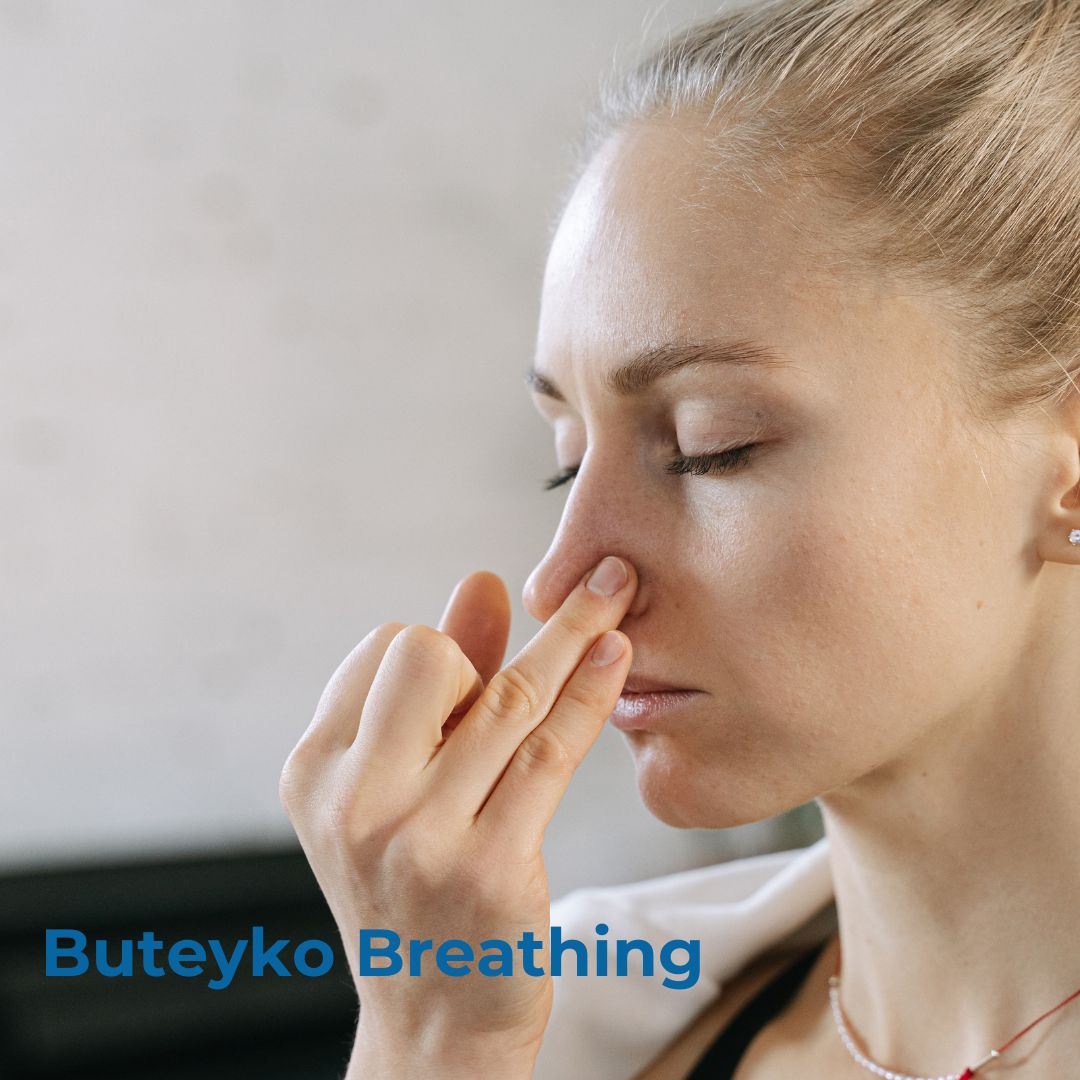
Buteyko Breathing Method has proven to be very effective for alleviating or even treating a wide range of chronic diseases, particularly asthma.

The key element of the Method is Reduced Breathing, which is described by Dr. Buteyko in his original manual in the last century as:

  1. Decrease
  2. The depth
  3. Of breathing
  4. By relaxation of the diaphragm
  5. Till slight shortage of air (Buteyko, 1991)

It is understandable that without access to advanced breathing measurement equipment at the time for each individual outside a medical lab, this was probably the most practical way Dr. Buteyko could describe the method.

Based on this description without measurement metrics, the task has to be taken by Buteyko Method practitioners to interpret and guide the learners correctly.

For example, some practitioners describe the breathing method as: Light, Slow and Deep breathing, where:

  • ‘Light’ means small volume.
  • ‘Slow’ means low breath rate.
  • ‘Deep’ means diaphragmatic breathing.

However, how light and how slow are not clearly defined here, thus it is up to each learner to perform based on how they feel or guess about it. Inevitably, this could be done incorrectly.

If you could have face-to-face training sessions with a qualified practitioner, you might learn the right way, but there are only limited qualified practitioners worldwide, although the number is increasing yearly, however, compared to the potentially vast numbers of people wanting to learn the Method, the number of practitioners looks like a drop in the ocean. That may explain why this proven method has not gained widespread adoption after so many years since its introduction.

Further, when you eventually reach the prescribed breathing pattern, over time, your feel and sense of the breathing pattern may shift. Even scientific measurement equipment requires periodic calibration, let alone the sense of human beings.

Here is where Aimwell’s AYO BT+ would come in, which can accurately measure your breathing while you practice the Buteyko Method.    

For practicing Buteyko Reduced Breathing, the Lite model of BT+ is adequate, and here is a quick guide for what you should monitor during the practice: 

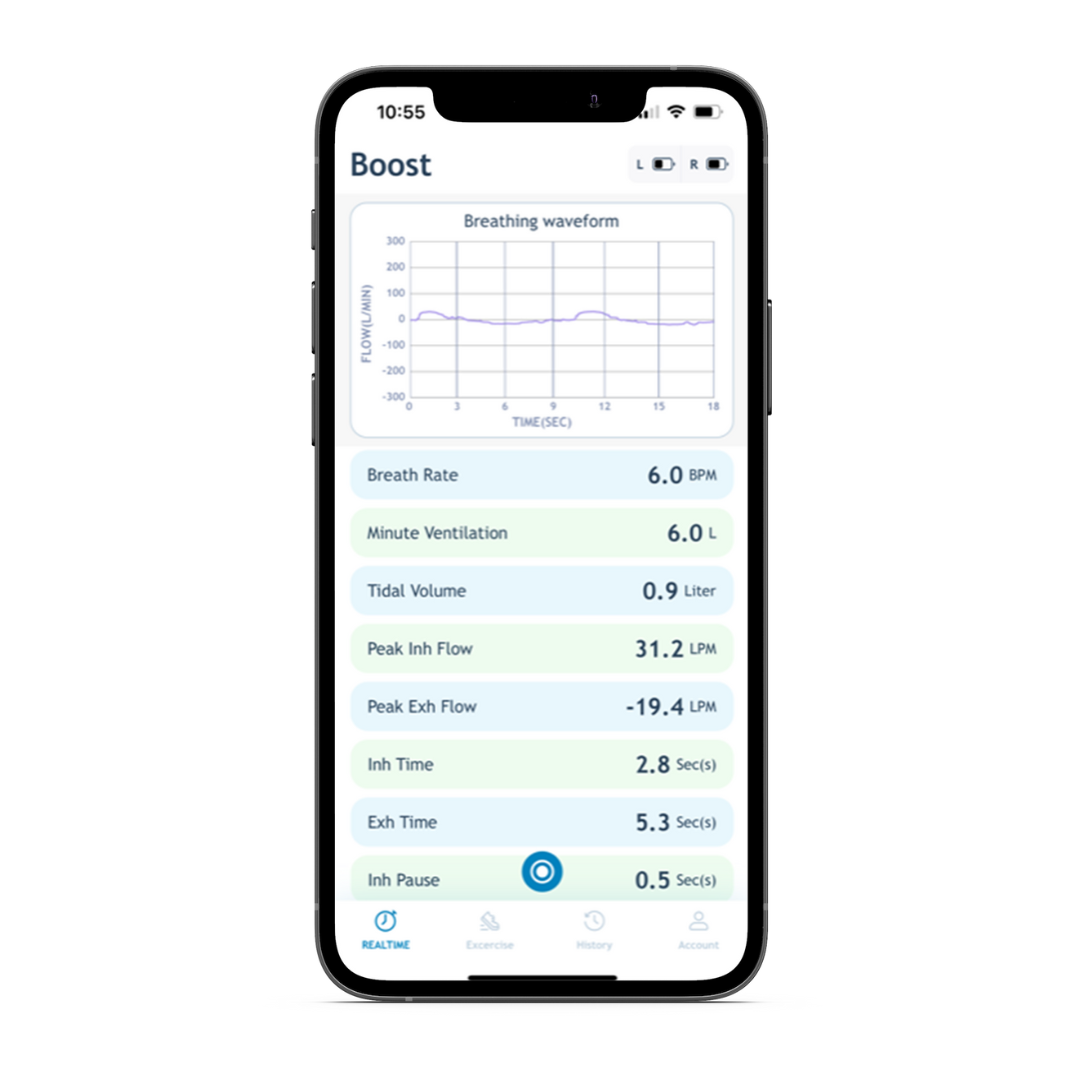
Real-time waveforms: Make sure the breathing waveforms are smooth with gentle rise, fall, and pause in between.
Peak Flow: Monitor the Peak flow when practicing ‘breathe-light’. The typical Peak flow of light breathing should be < 40 L/Min.
Minute ventilation: This is THE most important parameter when practicing Reduced Breathing. It is the air volume you breathe in a minute that needs to be reduced. The physiological norm is 6 L in a minute, which is the target you should practice towards.
Tidal volume: This is the volume of air you breathe in each previous breathing cycle. It is a quicker feedback to monitor in order to timely control the air volume you breathe. As to how much you should control the Tidal volume depends on the Breath rate, which is the next parameter to monitor.
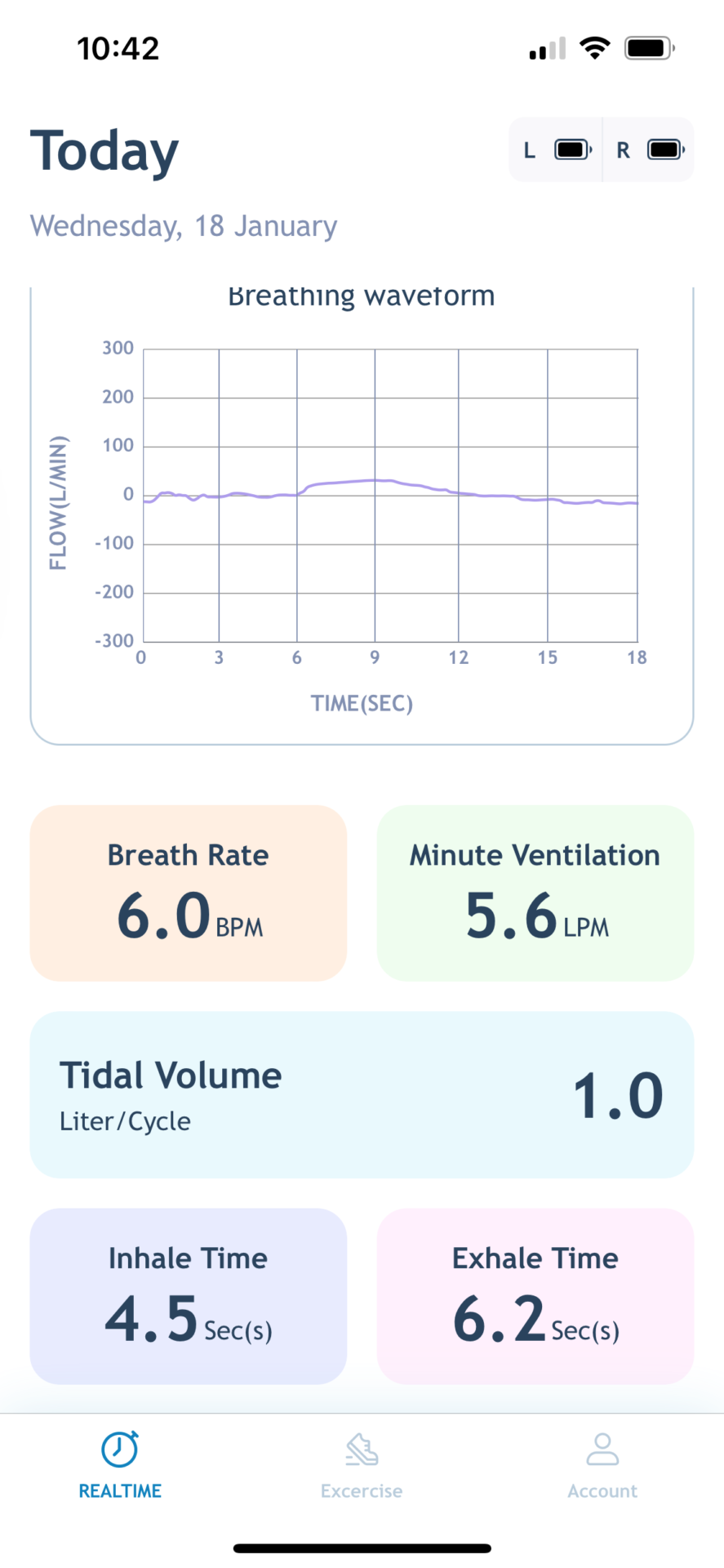
Breath rate: in Buteyko Method, there is no specific requirement for breath rate. However, medical research in the past 10 years shows that breathing at around 6 breaths per minute will maximize Heart Rate Variability, which is an important indicator of human health. For this reason, we recommend a breath rate of around 6 per minute. Therefore, the tidal volume should be aimed at around 1 L.

Thus, we simplify and vary the Reduced Breathing of Buteyko Method as ‘6&6’ breathing pattern.

The practice is best done with the Meditation exercise of the BT+ App, where at the end of each session, a summary report will be provided, which can be saved for you to refer to/compared with later. This is a great way to monitor your progress over time.

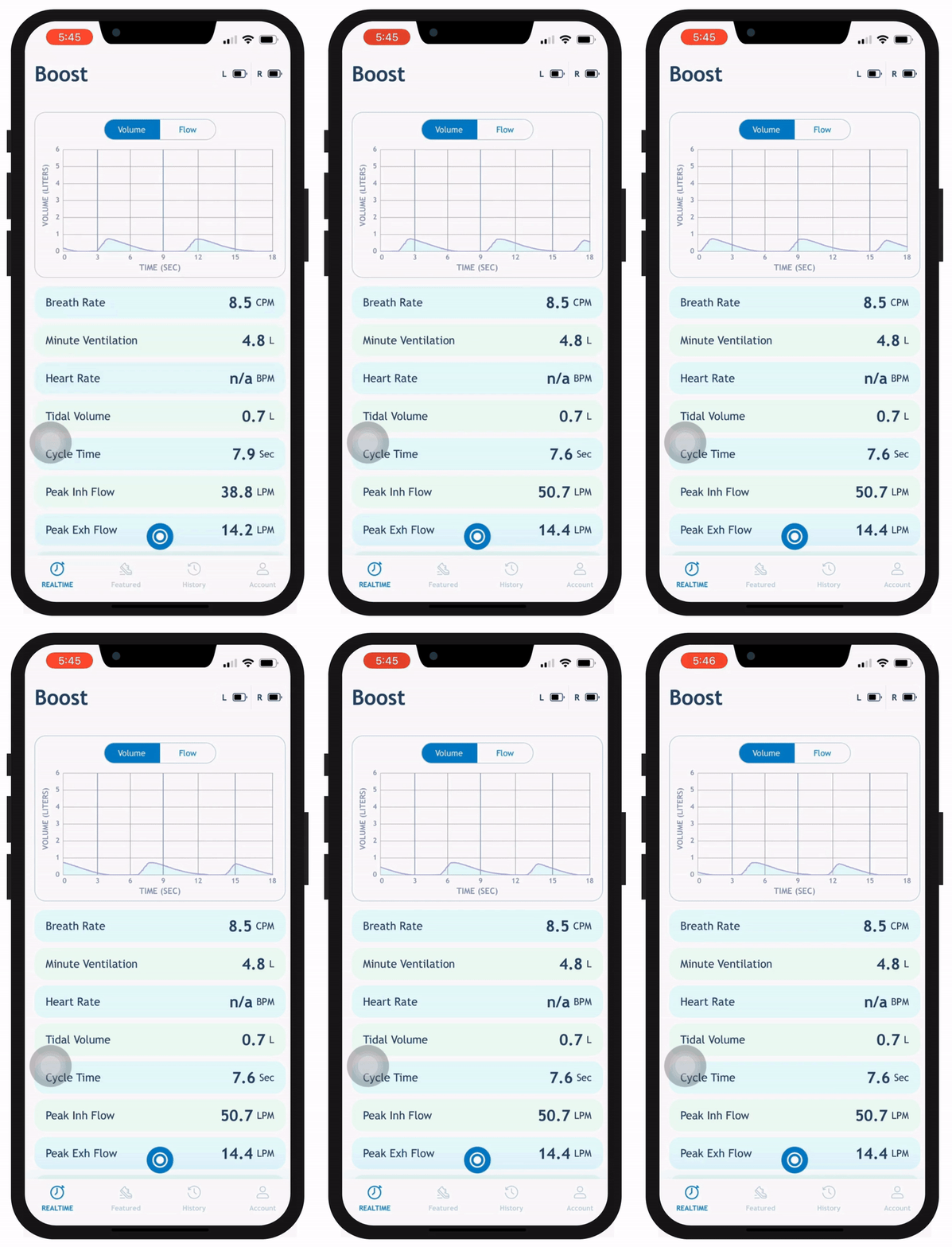
The screenshot on the right is from the BT+ App as an example to practice for the ‘6&6’ Reduced Breathing.

Don’t be discouraged if you can’t do it right away. With persistent practice and using historical data to see your progress before you could feel it, you will be sure on your way to mastering this optimal breathing pattern.

It is also advisable to breathe the ‘6&6’ breathing pattern whenever you can throughout the day. Using the BT+ to practice the ‘6&’6 breathing pattern once a day, especially before sleep will ‘calibrate’ your sense and feel for the pattern, thus enabling a better quality of sleep and reaffirmed reference for breathing the next day.

AYO BT+ is an ideal training and management tool for asthmatics or for many of those with lung/breathing issues, and it is a great Australian invention and a game-changer for helping you breathe better. 

A small investment today will open the door towards a giant leap for your breathing and overall health.  

How to Unblock a Stuffy Nose with AYO Breathing Exercise Device

A blocked nose is one of the common physiological phenomena most of us experience from time to time, and according to research, at least 10% of people suffer from chronic nasal congestion of different severities.

Among many causes, such as the common cold or allergies, it has been demonstrated that in many cases, the culprit is actually due to over-breathing!

Back in the 1950s, Dr. Konstantin Buteyko discovered that many common chronic diseases, such as asthma, can be caused by over-breathing. He and his clinical team went on to spend almost half a century researching and developing breathing techniques to help people normalize their breathing.

According to Dr. Buteyko, the blocked nose from over-breathing is due to a defensive mechanism of the body against excessive CO2 losses. Often, when people have a stuffy nose, they would open their mouths to breathe, which would make them continue to over-breathe, resulting in the noses being kept blocked by the body’s defensive reaction.

One of the exercises from the Buteyko Breathing Method is to help you unblock the nose, which involves one or more short breath holds.

This is a temporary method to quickly unblock the nose. However, if you still over-breathe after that, the nose would block again.

If we analyse the principle of this exercise, it works by temporarily stopping or reducing breathing, which:

  • Increases CO2 which works as an air passage dilator that helps reduce the blockage.
  • Reduces nasal constriction due to the defensive reaction of the body to over-breathing.
So with this understanding, here, we introduce a solution to fix the root of a stuffy nose due to over-breathing by using the AYO breathing exercise device AYO BT or BT+.

Why AYO breathing trainers can help unblock the noses? This is because they can: 

  • Reduce the air intake to cut the culprit of the issue directly and effectively. 
  • Increase the CO2 level in the air passages as well as in the blood thanks to the unique design of the mask, which the increased CO2 works as a nasal dilator, and it also helps oxygen release to tissues from the blood thus reducing the need to breathe more. 
  • The uniquely designed mask also works as a humidifier to warm and moisten the air and to thin the mucus in the nose.  

AYO BT method: 

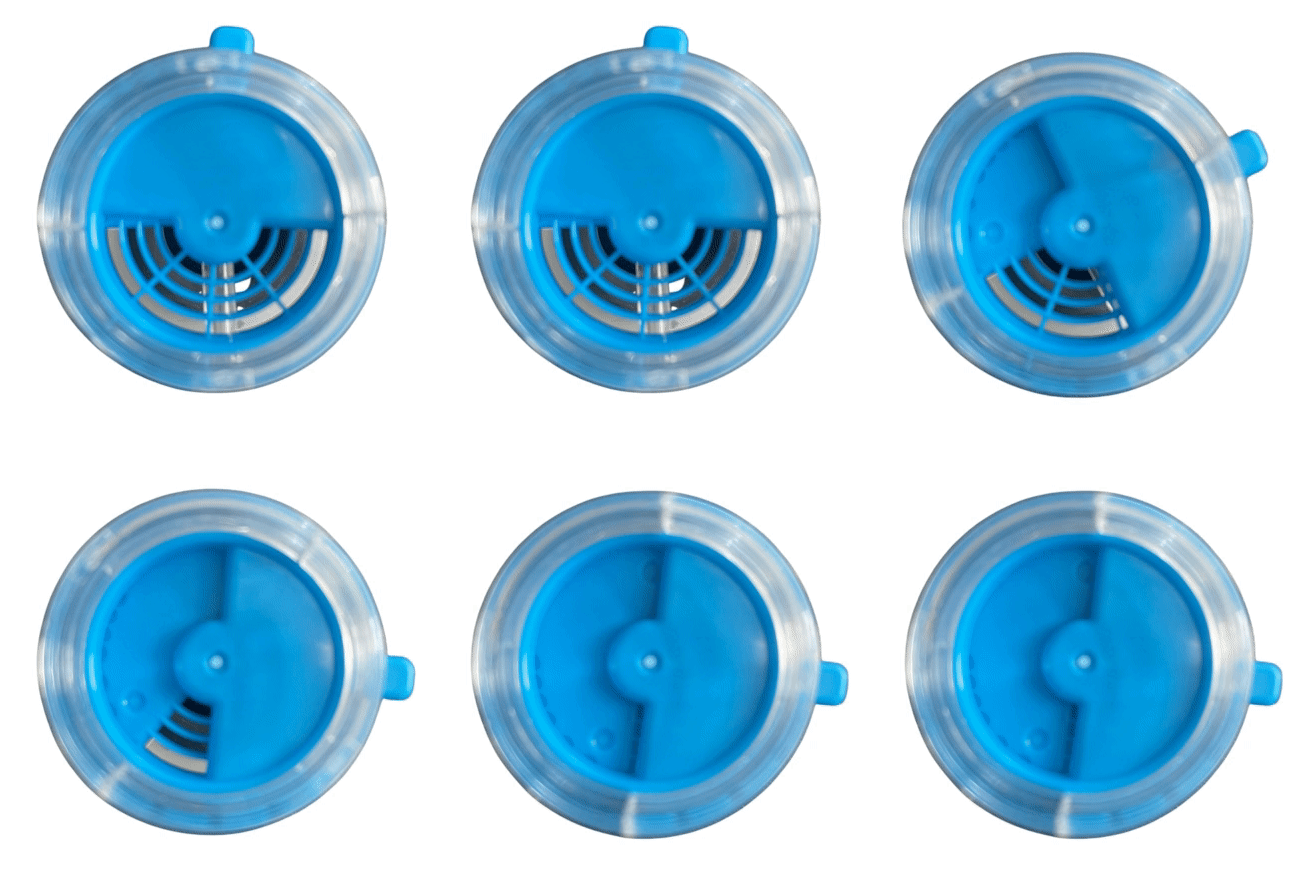
  • Adjust the BTi to a low setting, such as Setting 2 or lower.
  • Sit on a comfortable chair, with the back straight and full body relaxed.
  • Wear the BT as normal.
  • Breathe in slowly and gently, so that you don’t feel much resistance otherwise from fast and hard breathing.
  • Breathe out slowly and gently, trying to create a slight but tolerable air hunger.
  • If your nose is completely blocked, try to purse your lip to breathe via your mouth a bit, but as soon as your nose is not completely blocked, use your nose immediately but breathe slowly and gently.
  • Do not panic if you have the urge to breathe fast and hard, just relax, it is quite OK.
  • After a while, you will find it easier to breathe as your brain adapts to a higher CO2 in the blood, and your nose will be completely unblocked.
  • Continue to breathe like this for 20 -30 minutes to finish one session.
  • If feasible, you could do this a few times throughout the day, such as 3 times a day.

AYO BT+ method:
 

  • Adjust the BTi to a setting of your choice, but preferably Setting 2 or lower.
  • Sit on a comfortable chair, with the back straight and full body relaxed.
  • Wear the BT+ as normal.
  • Use the Real-time screen to monitor your breathing data and waveforms.
  • Your key breathing metrics are: 6 breath per minute and 6 litres per minute –This is Aimwell’s recommended 6&6 healthy breathing pattern.
  • Try to breathe towards the metrics by breathing slowly and gently, so that you don’t feel much resistance otherwise from fast and hard breathing.
  • If your nose is completely blocked, try to purse your lip to breathe via your mouth a bit, but as soon as your nose is not completely blocked, use your nose immediately to breathe slowly and gently.
  • Do not panic if you have the urge to breathe fast and hard, just relax, it is quite OK.
  • After a while, you will find it easier to breathe as your brain adapts to a higher CO2 in the blood, and your nose will be completely unblocked.
  • Continue to breathe like that for 20 -30 minutes to finish one session.
  • If you can achieve the 6&6 breathing pattern, your nose should be completely unblocked.
  • In fact, if you breathe with 6&6 breathing pattern all the time, you should always have an unblocked nose.
These methods are found effective not only for blocked noses caused by over-breathing, but in many cases apply for common cold and allergies induced blocked noses as well. When applied correctly, you would eliminate using a nasal spray and enjoy life-long unblocked noses!

Further, if you can naturally breathe with the 6&6 healthy breathing pattern whenever you are in a calm and resting condition, your breathing health will be enhanced, and so will your general health.

How to Achieve a Good Night of Sleep Through Reduced Breathing?

Did you wake up this morning feeling tired and thirsty with a stuffy nose? The chances are you slept with your mouth open, causing hyperventilation which activated your sympathetic nervous system and put your body in working mode instead of resting mode.

A simple but effective way to prevent mouth breathing during sleep is to practice reduced breathing through the nose before sleep. This conditions your breath makes it nicely slow and gentle, and activates your parasympathetic nervous system, which turns your body into rest/repair mode.

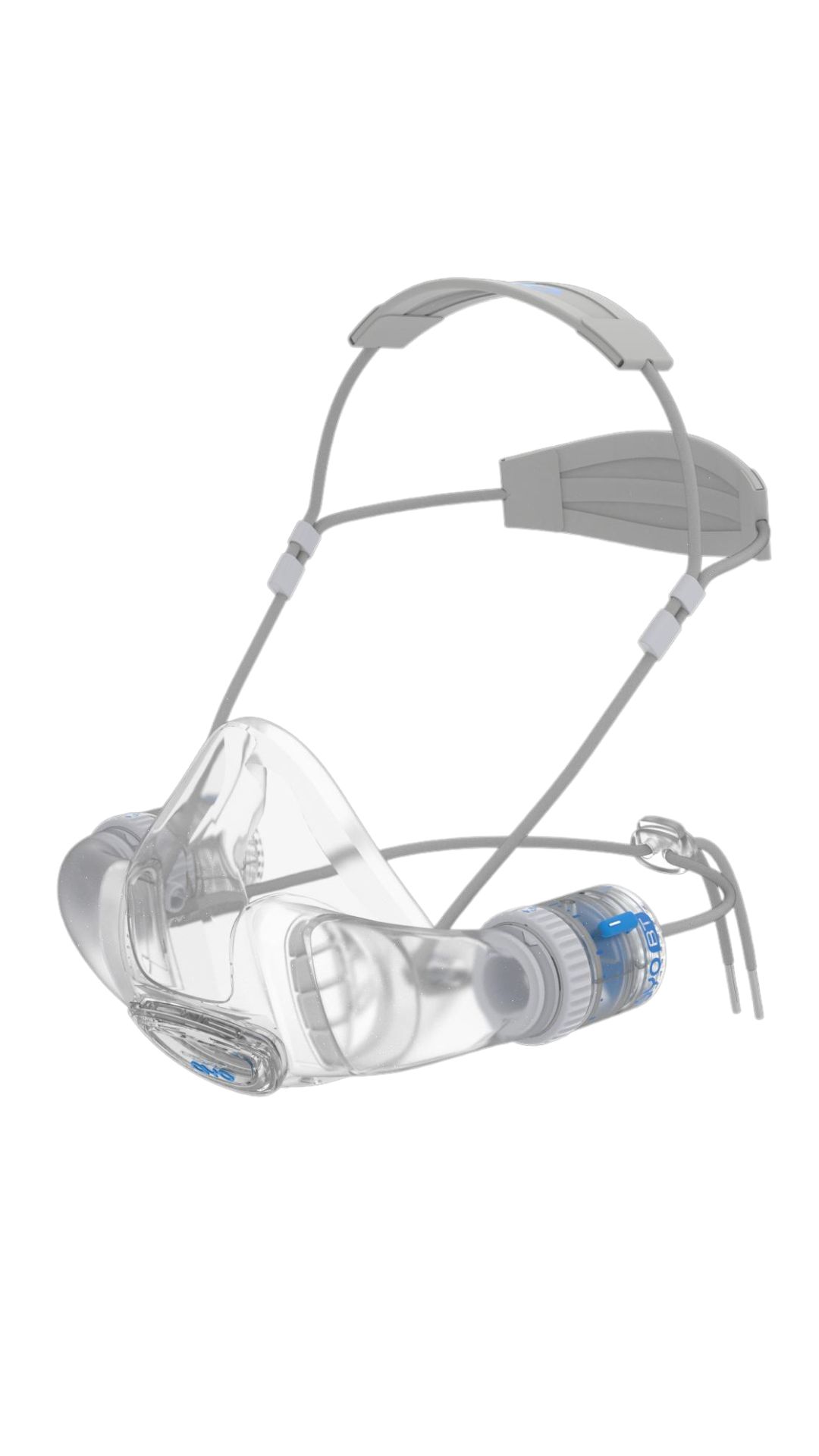
An easy way to practice reduced breathing is to use AYO BT modular breathing trainer which is designed to train diaphragmatic breathing through reduced breathing via the nose.

In addition, AYO BT extends your natural airway that retains some CO2 off your breath in the mask, resulting in less desire to breathe once you take off the AYO BT.

To be effective, prepare to wear AYO BT for 20 – 30 minutes before bedtime, and set it in a lower setting such as Setting 1 to 3 that creates a small but tolerable air hunger.

The beauty of this method is that it allows you to do other things while performing the breath conditioning, such as reading books or changing nappies, the AYO does the work in parallel to reduce your breath.

To get the best result, however, you would preferably need to concentrate on your breathing, as if your mind is somewhere else, your natural breathing habit would most likely tend to make you breathe faster and more than you aim for, which can limit the result to its possible best. For this reason, I would recommend doing it in meditation, where slow and gentle reduced breathing and meditation work together resulting in enhanced benefits to your body, mind, and ultimately your sleep.

A novel and more advanced method is to use the world-first breathing measurement and training device AYO BT+ to guide your breathing in your meditation.

Here is the protocol:

  • Firstly, do not eat too full, especially too much red meat. No Alcohol.
  • Do the meditation with AYO BT+ before sleep and at least 2 hours after the meal.
  • Adjust the BTi to a low setting, such as 1-3, or a setting that creates a tolerable air hunger.
  • Select Breathing in Meditation in the BT+ App, and set a time for 10 – 20 minutes.
  • Sit comfortably, place your mobile phone in front of you at a height that allows you to look straight ahead and maintain a straight back.
  • When inhaling, gently and slowly push the diaphragm down, then a brief pause to prepare exhalation.
  • At the start of exhaling, simply relax the diaphragm and let it return to its resting position by itself without you driving it.
  • Pause in that position and do nothing until you have a slight air hunger and feel like inhaling.
  • Repeat the breathing cycle, pay attention to the following:
  • Relax your full body at all times, especially the diaphragm, and keep your shoulders low and relaxed.
  • Observe your breathing waveform periodically, and try to make each inhalation small and gentle, and exhalation slow and relaxed.
  • Observe your Breath Rate (BR) and Minute Ventilation (MV) to gradually reduce them from their initial values and maintain these lowered values.
  • Imagining the following:
      • Let go of everything except your calm and relaxing breathing, in and out.
      • No more responsibility whatsoever, just enjoy the moment alone by yourself.
      • You are so free, so relaxed, think nothing, do nothing, just breathe lightly and gently, in and out.
      • You are so free, free as a bird and soaring in the sky.
      • You are so free, no worries, weightless, floating in the universe, just breathe lightly and gently, in and out.
Your breathing waveform should be like the one shown on the right.

If you can breathe less than 6 breaths BR and less than 6 L MV comfortably at the end of the meditation, you should achieve a high-quality sleep afterward.

A 6-hour sleep like that is all you need to get you refreshed and pumped up the next morning.

0
0
Your Cart
Your cart is emptyReturn to Shop