The Modular Invention – How AYO Breathing Trainer Benefits You Like Never Before

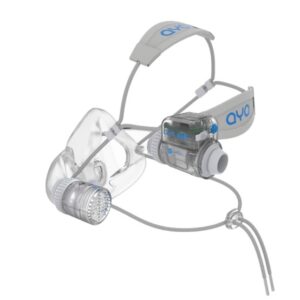
Aimwell AYO Breathing Trainer is the world’s No.1 modular breathing exerciser, it is designed to provide multiple breathing training and measurement functions from entry-level to advanced levels in a flexible, convenient, and cost-effective way.

Based on nearly 25 years of design and manufacturing experience for respiratory products, ranging from medical, industrial, and consumer applications, we have an in-depth understanding of the common and specific requirements for each market. This expertise allows us to stand on a higher ground than most players in the market, which brings about a novel concept for our breathing training device that provides a holistic solution to train you toward optimal breathing.

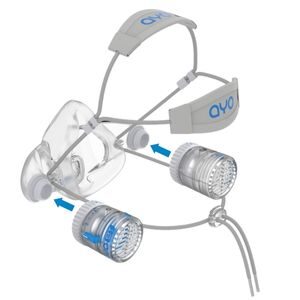
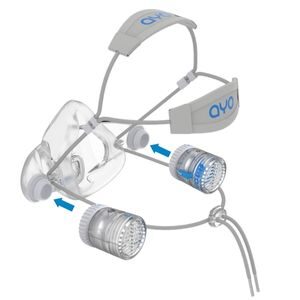
The key to achieving this is to design the product in a modular structure, such that some modules are common that can be reused in different product configurations, and some modules are unique to perform their specific functions.

To facilitate the modular structure, we invented a Push-fit & Twist-release connection that is included in each module, so that different modules can be connected and disconnected quickly and conveniently.

Example 1

AYO BT Entry-level Breathing Trainer

Common module: AYO MA mask assembly, BTi Inlet module, BTo Outlet module.

Functions:

  • Trains for Diaphragmatic breathing via the nose
  • Warms and moistens cold and dry air in winter exercises
  • Train Inspiratory and expiratory muscles (IMT & EMT)
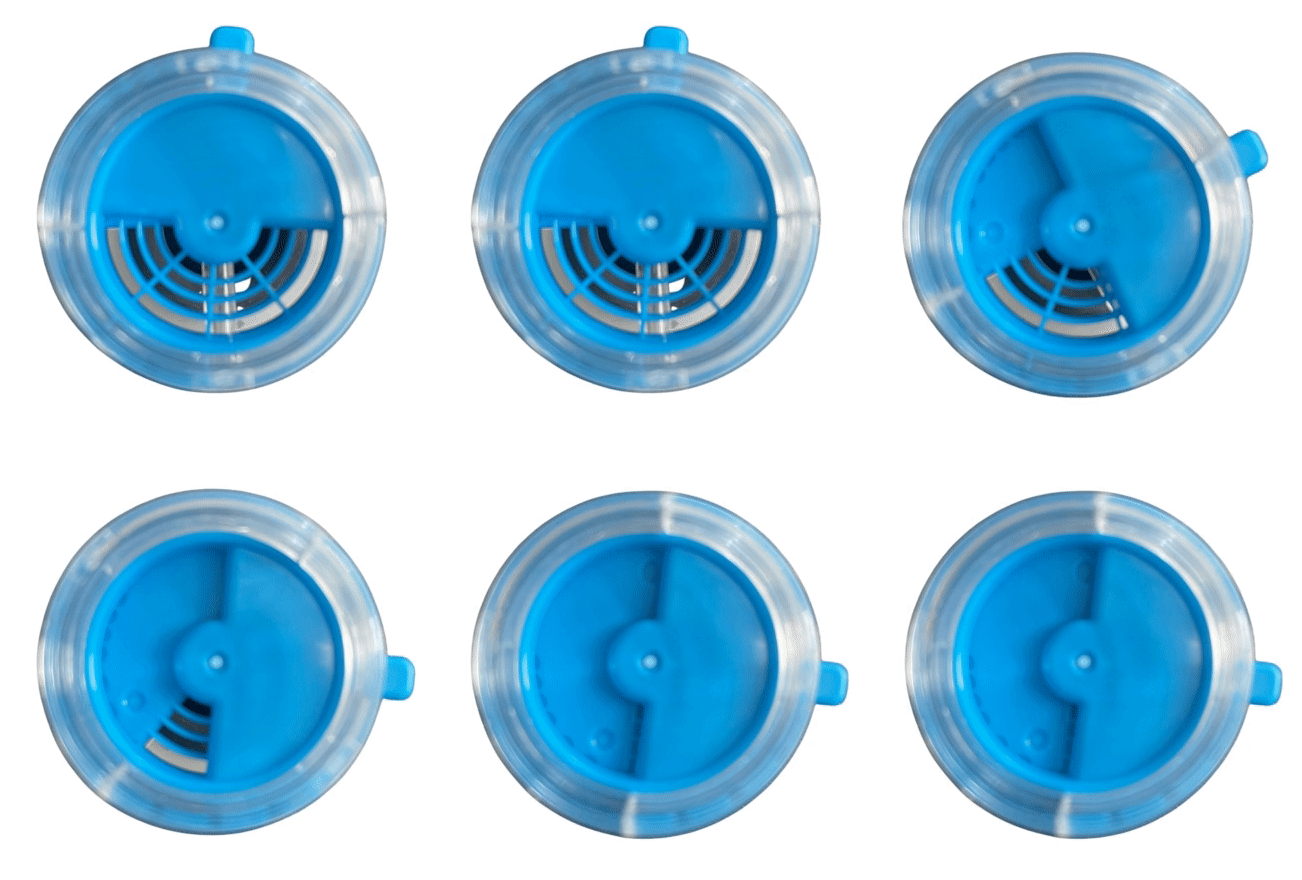
Inspiratory training Expiratory training Inspiratory + Expiratory training Inspiratory* + Expiratory training
CONFIGURATIONS

Training with AYO BT in Default configuration – Inspiratory Focus BTi on the left side and BTo on the right side.
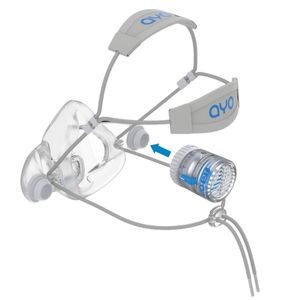
(Default configuration)

Diaphragmatic Breathing Training in Jogging -Training with AYO BT in Option 1 configuration – Expiratory Focus BTi on the right side

(Optional configuration 1)

Training with AYO BT in Option 2 configuration – Inspiratory + Expiratory BTi on the right side and BTo on the left side.
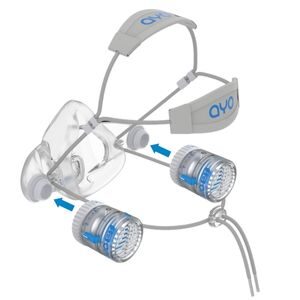
(Optional configuration 2)

Training with AYO BT in Option 3 configuration – Inspiratory* + Expiratory

BTi on both sides

(Optional configuration 3)

Example 2

AYO BT+ Advanced breathing training and measurement.
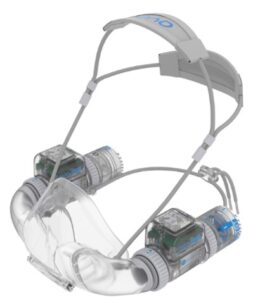
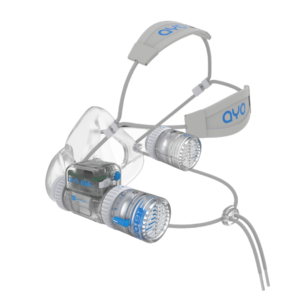
Specific module: BT+ E module, BT+ L module.

Model Configuration  Function

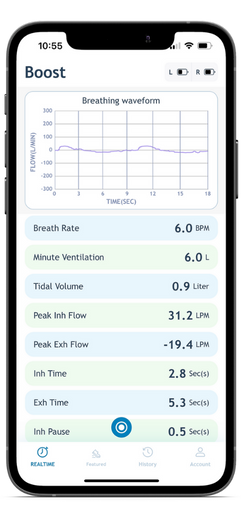
Boost

√ Full measurement data in both inspiratory and expiratory direction

√ Breath-hold test

√  Buteyko Reduced Breathing

√ Spirometry test

√ Inspiratory resistance breathing training

Includes both BT+ E module and BT+ L module.

Essential or Lite

√ Measurement data in inspiratory direction only

√Measure Power of Breath and Work of Breath (Essential only)

√ Inspiratory resistance breathing training

Includes either BT+ E module or L module.

E module is suitable for sports training

√ Measurement data in both inspiratory and expiratory direction

√ Breath-hold test

√  Buteyko Reduced Breathing

√ Spirometry test

Includes either BT+ E module or L module.

L module is suitable for non-sports training


Due to the modular structure, more functions can be introduced in the future with new modules, thus more benefits will be available to you as an end user.

AYO Breathing Trainer sets a new standard for breathing training.

AYO Breathing Trainer and Breathing Exerciser – An Inhaler-Free Asthma Preventer

What is asthma?

Conventional medicine regards asthma as a respiratory disease triggered by chronic allergic inflammation of the bronchial tubes. In the event of an asthma attack, the bronchial tubes constrict and are often accompanied by edema, extra mucus and bronchospasm, such that very little air can pass the bronchial tubes, causing shortness of breath, wheezing, chest tightness, coughing, and suffocation.

Typically, doctors prescribe steroid-based medicine to asthmatics as a bronchodilator to temporarily open the obstructed airways in the form commonly referred to as inhalers.

What’s wrong with Inhalers and Why?

The inhaler can not cure asthma.

It is used as a passive and temporary relief when an asthma symptom occurs. However, its key issue is that its frequent application could turn a mild asthma to become progressively worse!

The reason, according to Dr. Buteyko, is that the bronchospasm from asthma is in fact a protective mechanism of the body trying to prevent you from over-breathing, such that the CO2 level in the lungs not becoming too low to affect normal body functions.

Dr. Buteykop proved that such a deficiency of CO2 is also the precondition for allergic inflammation of the bronchial tubes to appear or to flare up.

The use of an inhaler tries to neutralize this protective mechanism, causing the body to fight back again and again with more intensive bronchospasm, making asthma worse and worse.

So the inhaler at best is a temporary relief of asthma symptoms, only at the cost of more severe asthma symptoms later on.

Science and Evidence-Based Asthma Prevention


Science and Evidence Related to Asthma:

    •  According to Dr. Buteyko, Over-breathing (hyperventilation) is the root cause of asthma. He believed Asthma is a defensive reaction of the body to prevent over-breathing rather than a disease, thus asthma can be prevented and curable by reducing breathing.
    • Buteyko Breathing has cured hundreds of thousands of severe asthmatics that drugs could not cure effectively.
    • One of the key triggers of asthma is breathing in sustained large amounts of cold and dry air.
    • The most effective asthma monitoring tool is spirometry.

Prevention Strategy:

Based on the science and evidence we know, an effective strategy for asthma management and prevention includes:

    • Avoid breathing in sustained large amounts of cold and dry air during exercises, especially in winter.
    • Use the diaphragm to breathe through the nose 24/7 and close the mouth whenever you can.
    • Control the breathing volume according to your metabolic rate: Do not over-breathe.
    • Practice Reduced Breathing daily to increase the CO2 level in the lungs and blood and develop healthy breathing patterns.
    • Perform spirometry testing regularly to monitor your asthma status and guide your treatment and exercise activities accordingly.

AYO Breathing Trainer and Breathing Exerciser – A Dream Tool for Asthmatics

 
AYO Breathing Trainer and Breathing Exerciser is an Australian invention designed for providing a holistic breathing tool to help you breathe better.

Inspired by Buteyko Breathing, AYO Breathing Trainer and Breathing Exerciser is particularly designed as a tool to practice reduced breathing using the diaphragm via the nose. What makes it stand out from various breathing devices on the market is that it provides accurate breathing measurement and monitoring, in situations including rest, walking, running, cycling, and common workouts via mobile phone Apps.

The App is so designed that it makes Buteyko Reduced Breathing easier and more precise which will help greatly for anyone to practice reduced breathing, especially for asthmatics.

Very importantly for asthmatics, AYO Breathing Trainer and Breathing Exerciser provides spirometry testing for frequent and effective asthma monitoring.

AYO Breathing Trainer and Breathing Exerciser can be configured in the following models, thanks to the modular structure invented by Aimwell:

    • AYO BT – an entry-level breathing exerciser for reduced breathing.
    • AYO BT+ Boost – the full-featured configuration of AYO BT+ advanced breathing measurement.
    • AYO BT+ Essential – a reduced-feature breathing measurement configuration for sports breathing training.
    • AYO BT+ Lite – a reduced-feature breathing measurement configuration for non-sports breathing training.

In summary, AYO Breathing Trainer and Breathing Exerciser can:

    • Trains reduced breathing using the diaphragm via the nose – getting the fundamental breathing mechanics right.
    • Warms and moistens cold and dry air by design – a key trigger to asthma.
    • Reduces breathing with an adjustable air inlet as a reduced breathing exerciser – preventing over-breathing the root cause of asthma.
    • Measures the volume of the air you breathe, so you know for sure how much air you reduce during your training for reduced breathing – normalizing the CO2 level in the lungs to stop allergic inflammation of the bronchial tubes from happening and train for healthy breathing patterns.
    • Performs lung function testing for asthmatics: Forced Lung Capacity (FVC), Forced Exhalation in One Second (FEV1), FVC/FEV1 ratio, and Peak Exhalation Flow (PEF) – preventing asthma before it ever occurs.

Essentially, AYO Breathing Trainer and Breathing Exerciser works as an effective asthma preventer without the use of inhaler drugs.

Asthma Preventers – Jogging in The Cold

Winter arrives suddenly without warning in Sydney in the last few days, with early morning temperatures dropping below 8°C in some areas. You can even start seeing joggers wearing hoodies and gloves already.

While it is important to prioritize our outer appearance, we must also remember to prioritize our overall well-being. Instead of solely focusing on the condition of our skin, we should pay equal attention to the health of our delicate and vulnerable airways. By nurturing and caring for our respiratory system, we can ensure a harmonious balance between our outer and inner selves, ultimately leading to a more holistic approach to self-care.

asthma preventers
Surely the hands and ears need care, but our airways need more, especially for asthmatics. Our sensitive airways, in particular, deserve special attention as they play a vital role in our overall respiratory health. By nurturing and protecting our respiratory system, we are not only fostering physical wellness but also nurturing our inner self, allowing us to embrace a more holistic approach to self-care that encompasses all aspects of our being.

Most likely, you probably can’t find any suitable solution to keep your airways warm and moist on a cold and dry winter morning when you jog outside.

Asthma Preventers


The recommendation for individuals seeking protection while jogging in the cold is to consider wearing the Aimwell AYO BT. This innovative device offers numerous benefits, including warming and moisturizing the inhaled air. Additionally, when adjusted correctly, it effectively reduces the amount of cold air taken in, mitigating the risk of triggering an asthma attack. By incorporating the Aimwell AYO BT into your cold weather routine, you can confidently safeguard your respiratory health and enjoy your outdoor activities without compromising your well-being.

AYO BT Breathing Trainer effectively works as an inhaler-free asthma preventers!

Reduced Breathing Exercise Protocol with AYO BT+

Why Reduced Breathing?

Believe it or not, research shows that 90% of modern people over-breathe. Like over-eating, over-breathing or hyperventilation is detrimental to our health. Chronic over-breathing contributes to a number of chronic diseases, such as asthma, high blood pressure, heart disease, diabetes, cancer, etc.

Then what is normal breathing? The key is the breathing volume in one minute or Minute Ventilation. The physiological norm is 6 liters for a 70 Kg adult at rest. As a typical example of over-breathing, asthmatics tend to breathe at twice the normal volume. In the 1950s of the last century, Dr. Buteyko discovered the link between hyperventilation and asthma, and the Buteyko Method developed after that has cured hundreds of thousands of asthmatics since.

The critical factor to achieve normal breathing is the CO2 level in our body, which most of us have a lower-than-normal level.

Reduced Breathing

The goal of reduced breathing is to train the brain to adapt to higher CO2 concentrations during a sustained period of air hunger by reducing the amount of air to breathe so that, over time, the CO2 level in our body will be increased towards a normal level.

Nowadays, more and more people become aware of the benefits of Buteyko Reduced Breathing and practice the Method in an ever-increasing trend, among them from asthmatics to mental disorders and even elite athletes, just to name a few. However, there are a number of challenges to learning and practicing the Method. One is that there are limited qualified Buteyko Method practitioners, and the other is lacking an effective tool to assist the practice.

Practice Reduced Breathing with AYO BT+

Aimwell AYO BT+ is designed for breathing training and monitoring, in particular, to train reduced breathing using the diaphragm via the nose.

One of the difficulties to practice reduced breathing is how to control air hunger properly: doing too little or too much will not give good results.

For example, light air hunger is defined as 5 – 10% less than the normal breathing volume, however, human is not born to have the ability to sense it properly, and this is what AYO BT+ can do best: measuring breathing volumes along with a large number of breathing data.

Here are the protocols and guides for reduced breathing training with AYO BT+.
Basic Requirements When Training at Rest:

  • Diaphragmatic breathing via nose only.
  • Sit with back straight and the full body relaxed.
  • Breathe calmly and slowly focusing on each breath.

Reduced Breathing (RB) at Rest

  1. Obtain an AYO BT+ Boost and open the App.
  2. Condition the breath: Full body relaxed, breathe slowly and comfortably, observing each breath and aiming at a near-zero air hunger. Do this in the Breathing in Meditation featured exercise for 3-5 minutes, then stop the session and read the recorded MV as a baseline MV1.
  3. Calculate the Reduced Breathing (RB) MV for a light air hunger: 90 – 95% of MV1.
  4. Do a Control Pause (CP) test and record the value as CP1.
  5. Perform RB for 3-5 minutes followed by a Breath-hold (0 – 10 s after the initial urge to breathe). Do this in Breathing in Meditation, and read the MV, Tidal Volume, and times for each breath as feedback to adjust the breathing towards the desired MV.
  6. Repeat ‘5’ for a duration of 15-20 minutes and relax the diaphragm and the full body in every breath.
  7. When time is up, read the recorded MV as MV2.
  8. Calculate the actual RB % by MV2/MV1.
  9. Do a normal and relaxed breath for 3-5 minutes.
  10. Do a second CP test and record the value as CP2.

Tips for RB at Rest:

  • It is recommended to do the exercise 2 hours after a meal or on empty stomach and before sleep.
  • Try to control the breath rate between 5 – 7 breaths per minute, so that the breath control and monitoring can be narrowed down to Tidal Volume in every cycle and Minute Ventilation in every minute for the most time.
  • After the exercise, you should feel warmer than before the exercise, such as your hands and feet are warmer.
  • Your CP2 should be Longer than CP1, ideally longer than 5 seconds, and you should feel your desire to breathe is reduced.
  • If the CP2 is less than CP1, check your actual RB and see if it is too high or low, and if the duration of the session is too long or short. Adjust it accordingly in your next exercise to have a higher CP2.
  • Consider using the BTi setting from 0 to 2 to assist the RB.

Reduced Breathing (RB) in Low or Medium Intensity Workouts

Find out a baseline:

  1. Choose a targeted workout.
  2. Obtain an AYO BT+ Boost or Essential.
  3. Fit the E module on the Left side of the mask only and open the App
  4. Fit the BTi and adjust it to the maximum setting.
  5. Record the breathing using the Real-time screen.
  6. Start the workout until the desired duration is reached.
  7. Stop recording and use the MV recorded as a baseline MV1.

RB Workout:

  1. Obtain an AYO BT+ Boost or Essential.
  2. Fit the E module on the Left side of the mask only and open the App.
  3. Fit the BTi and adjust it to a low setting, such as Setting 3.
  4. Set your desired RB, for Light Air Hunger, 90-95% of MV1, Moderate Air Hunger 70-80% of MV1, and Strong Air Hunger 40-50% MV1.
  5. Start the RB workout and record the breathing using the Real-time screen or GPS Enabled Exercise for running, cycling, or walking.
  6. Read the MV every minute or the Tidal Volume often as feedback to adjust your breathing towards your RB target.
  7. When the workout is finished, save the data, and read the MV.
  8. Calculate the actual RB % by MV2/MV1.
  9. Read Power of Breath and Work of Breath, and compared them with previous results for breathing efficiency improvement.

Tips for RB at Workouts:

  • Diaphragmatic breathing via nose only.
  • Relax the diaphragm, especially when the urge to breathe is heavier.
  • At the end of each relaxed exhalation, further extend it by pressing the belly inward briefly, especially when the urge to breathe is heavier, so that the breath rate is not increased too much when the breathing urge is high.
  • Breath-hold can be added during the RB every few minutes to enhance air hunger and CO2 tolerance.
  • The Breath-hold can be variable, such as starting from 5 s, then 10 s, then 5 s, then no Breath-hold.
  • Within 30 minutes of rest after the RB session, you should feel your breath is very calm and effortless. If you notice your breathing is still a bit tired, the air hunger during the RB may be too high or the period of RB a bit too long. Adjust the RB and its duration accordingly.
  • To avoid overtraining, limit the session with moderate air hunger to 30 minutes, and strong air hunger to 20 minutes.

Reduced Breathing Target at Rest:

  • Breath Rate: 5 – 7 Breaths per minute for maximum Heart Rate Variability (HRV)
  • Minute Ventilation (MV): 6L for 70 kg athletes. For 100 Kg athletes, the MV can be calculated proportionally: 100/70 * 6 = 8.6L
  • Control Pause (CP): 40 seconds.

Note:

  • The process toward the MV and CP targets should be gradual.
  • For CP, aim to achieve 30 s first, then 35 s, then 40 s.
  • It is recommended to have a minimum total RB training time of 1 hour each day, which could consist of 3 – 4 short sessions spreading out over a day. If you are an active person, Ideally, one of them is in low to mid-intensity workouts with a light to moderate air hunger.

A Game-changer for Practicing Buteyko Reduced Breathing

What is Buteyko Method?

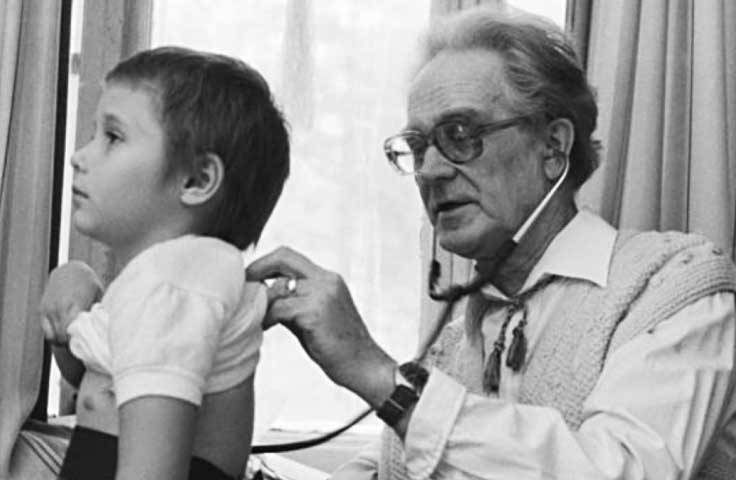
Buteyko Method is a type of breathing technique that Russian Doctor Konstantin Buteyko developed in the mid-20th century. The technique is based on the premise that breathing patterns and CO2 levels in the body play a significant role in various health conditions, including respiratory problems, asthma, and sleep disorders, just to list a few.

Buteyko Method has been successfully learned by many, and tens of thousands of respiratory patients have been treated and cured after learning and practicing this science-based breathing technique.

Buteyko Reduced Breathing

Difficulties We Are Facing

Learning of Buteyko Method, however, is not without challenges and difficulties.

If you have been practicing Buteyko Method, you will know that Reduced Breathing is one of the key parts of the training in addition to Breath-hold.

To practice the Reduced Breathing of Buteyko Method normally requires generating a light air hunger.

There are various interpretations of what “light air hunger” means.

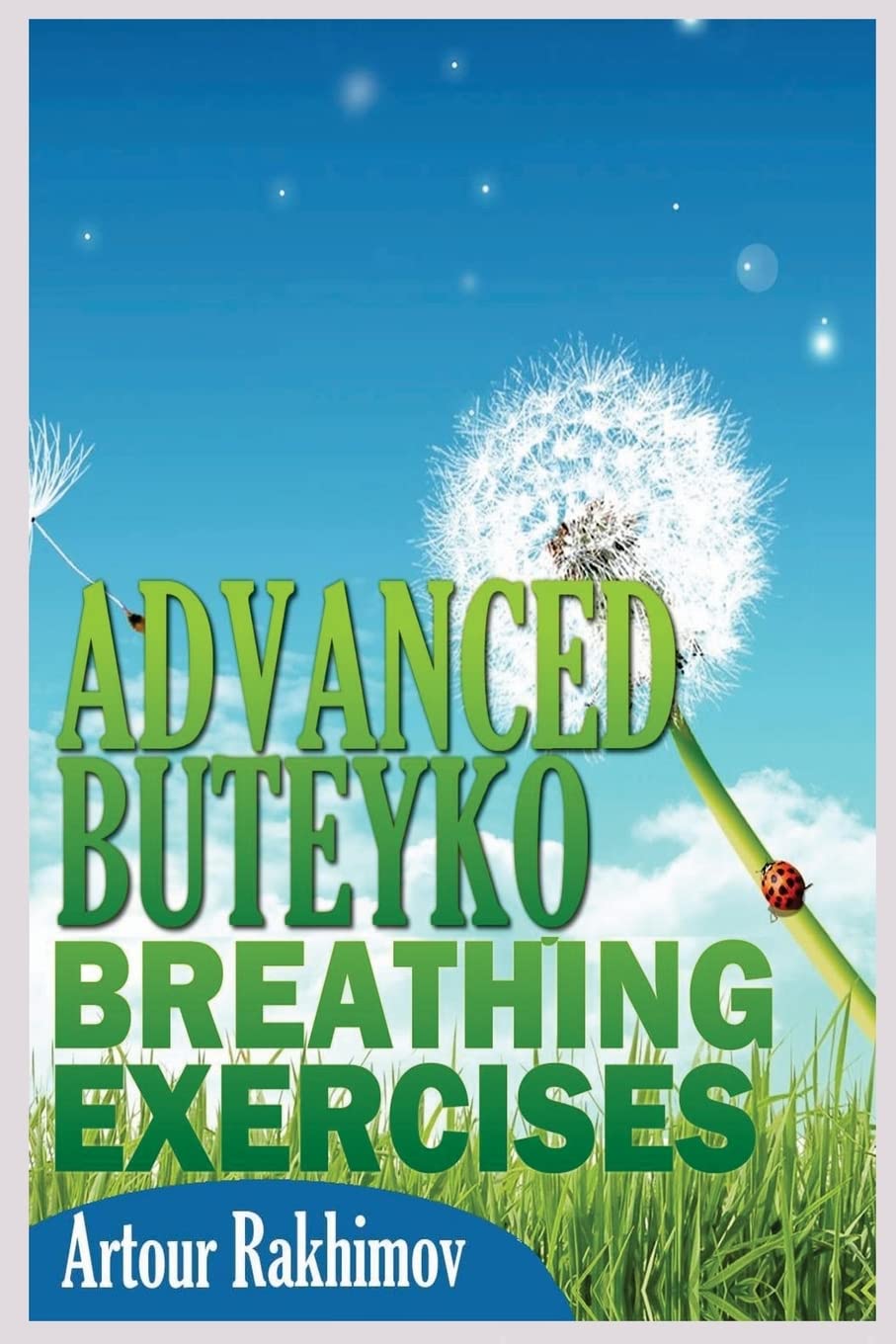
In the book “Advanced Buteyko Breathing Exercises” by Dr. Artour Rakhimov, he suggests the following:

  • If your CP is less than 20s, it is 5-10% less than your normal inhalation.
  • If your CP is above 20s, the breathing is likely to have short automatic pauses.

Note: CP means Control Pause, a way to measure breath-hold time by Buteyko.

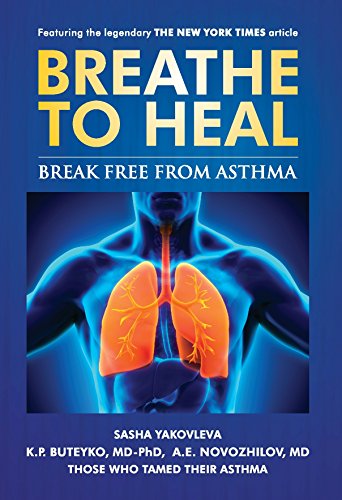
In the book “Breathing to Heal” by Sasha Yakovleva, she says:

“Try to decrease the volume of breathing by imagining that your airflow becomes a little diminished”.

All of the described ways to achieve “air hunger” are either vague or hard to follow correctly in practice:

  • “5-10% less than your normal inhalation’ – is not something a normal person can sense or feel correctly.
  • “short automatic pauses” – how short?
  • “imagining that your airflow becomes a little diminished” – what “a little” is a little? That is the question only up to you to interpret.

Even Dr. Buteyko thought that generating the right amount of light air hunger was the most difficult to learn from his described method as below:

  1. Decrease
  2. The depth
  3. Of breathing
  4. By relaxation of the diaphragm
  5. Till slight shortage of air (Buteyko, 1991)

Furthermore, in Buteyko Method, the main metric to test how you breathe is via CP measurement. This is a simple and accurate way to measure how well the body gets oxygenation, provided that it is measured correctly. However, as many of us experienced, the CP can be affected by many factors, making it vary from time to time. This is perhaps one of the main difficulties in practicing Buteyko Breathing.

In addition, CP is an indirect and non-Realtime way to guide your breathing exercises, for example, it can not be used directly as a metric during Reduced Breathing training, and it can only be used as a body CO2 tolerance or oxygen level monitor before and after each breathing exercise.

How Do We Solve the Issues?

All the issues mentioned above related to Reduced Breathing can be rooted in the fact that there are no tools that are readily available to measure breathing data, in particular, breathing volume.

As Reduced Breathing simply means to reduce breathing volume following Buteyko Method, it is no brainer to say that we need a device to measure the volume we breathe in order to practice reduced breathing, so that we know how much air we breathe, and how much air we need to reduce during breathing exercises.

Over more than half a century until now, people who practiced Buteyko reduced breathing have had to use gut feel and guessing to guide the exercise. It is understandable that in the era of Buteyko, there weren’t breathing measurement devices that ordinary people can get access easily.

Aimwell’s Solution to Solve the Issues

You may wonder: are there any easy ways to measure breathing nowadays at all, like measuring a heart rate? And is there an alternative or equivalent way to complement CP? The answer is YES.

The good news is that, with Aimwell AYO BT+, breathing volume can be measured directly.

Further, we recommend a new metric that can clearly and accurately define air hunger in Reduced Breathing based on CP, that is Minute Ventilation (MV) – a metric for breathing volume in one minute.

Relationship between CP and MV:

CP is, in most cases, related to MV. Thus, once the CP is known, the corresponding MV can be correlatedly defined.

To define a level of air hunger, a reduced MV as a breathing target can be derived by adding a predetermined period to the CP measured.

If you breathe at a certain MV with just near zero air hunger, the MV can be correlated back to CP. This can be used as an alternative to CP measurement.

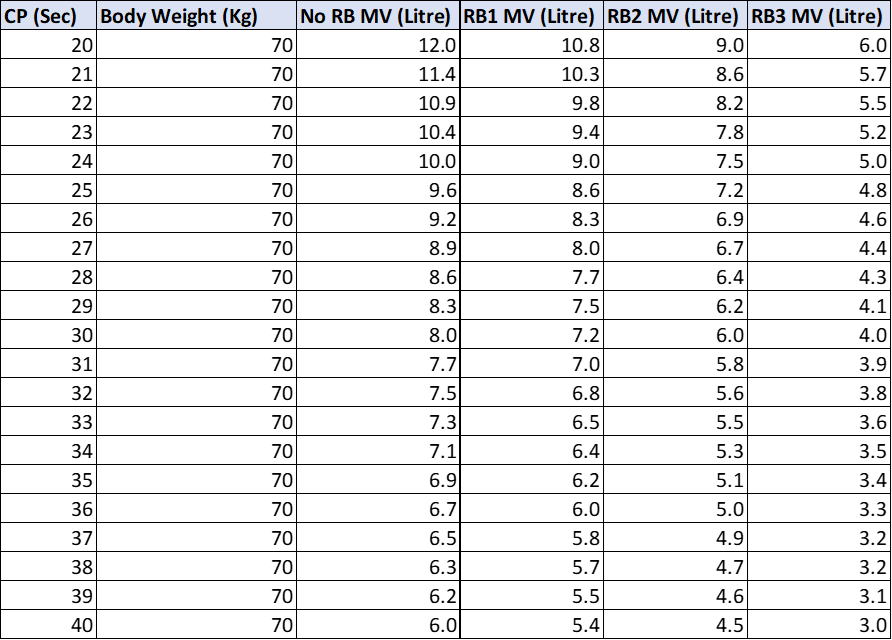
Further, we can also define the target MV based on the level of air hunger. For example, if we define the following:

No air hunger as No RB: MV corresponding to your CP.

Light air hunger as RB1: 10% less of MV corresponding to your CP.

Moderate Air Hunger as RB2: 25% less of MV corresponding to your CP.

Strong Air Hunger as RB3: 50% less of MV corresponding to your CP.

Then we can have the following target MVs forNo RB, RB1, RB2, RB3 in relation to your CPs:

Note: for body weights other than 70Kg, the corresponding MVs can be proportionally calculated.

Final Words

By using MV as Reduced Breathing training metric, it removes the difficulties when it comes to practicing a level of air hunger accurately. It also provides an alternative way to find out your CP. This is a game-changer for practicing Buteyko Reduced Breathing, as it can help achieve more effective Reduced Breathing exercises that promise an easier and quicker journey in your endeavor to normalize your breathing.

So if you have a hard time making progress in your Buteyko Breathing training, wait no further to acquire this great Australian invention AYO BT+ to help you out.

Related Article:

Reduced Breathing Exercise Protocol with AYO BT+

0
0
Your Cart
Your cart is emptyReturn to Shop